Saffron and berberine for brain health: the Phytomem One guide
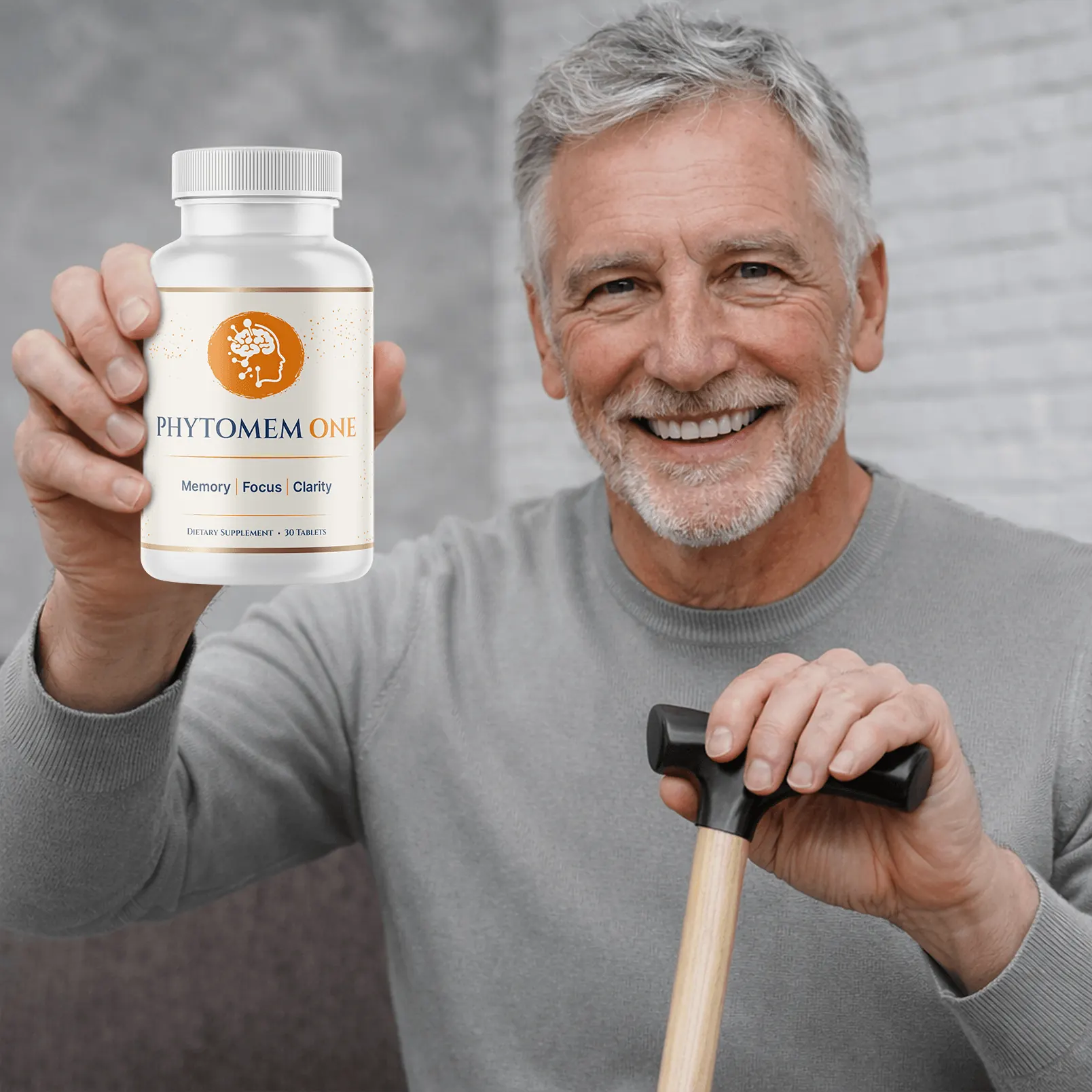
Updated August 2026 · reviewed by the Phytomem Research Team. We are an independent information resource, not a medical provider, and this article is educational rather than medical advice.
Saffron and berberine are two of the most talked-about botanicals in modern brain-support formulas, and they play very different, complementary roles: saffron is a treasured spice with a long tradition in mood and cognitive wellness, while berberine is a plant alkaloid best known for supporting healthy metabolism — part of how the brain stays fuelled (Lu C et al., Phytomedicine 2021). Here is what each one is, how it is thought to work, and what to look for on a label.
Two botanicals, two jobs, in plain language.
- Saffron
- The dried stigma of the Crocus sativus flower; a traditional spice studied for mood and everyday cognitive wellness.
- Berberine
- A bright-yellow plant alkaloid studied for supporting healthy metabolism and glucose balance.
- Why together
- They cover different ground — the mind and its fuel — which is why modern formulas often pair them.
- What to check
- Botanical name, a standardised extract, GMP manufacturing and honest, non-disease claims.
- The honest limit
- Both support healthy habits; neither is a treatment for any disease, and medication users should ask a doctor.
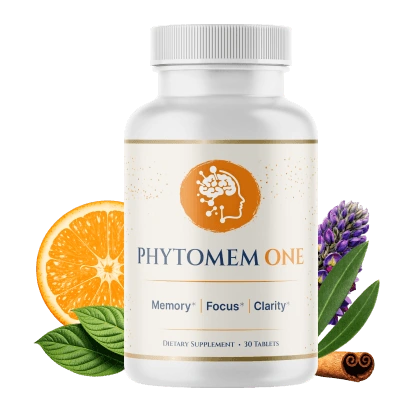
Both botanicals appear in Phytomem One, alongside Morosil red orange, Ceylon cinnamon, olive leaf and six more. This guide focuses on the two headliners so you can understand what you are actually taking — and read the science yourself through the references at the end.
What is saffron?
Saffron is the dried red stigma of the Crocus sativus flower — each bloom yields only three, which is why it is, gram for gram, one of the most valuable spices on earth. It has been used for thousands of years across Persian, Mediterranean and South Asian traditions, both as a culinary treasure and as a wellness botanical. Its colour and aroma come from a family of plant compounds including crocin, crocetin and safranal.
How saffron is thought to work
Saffron is among the more researched botanicals in the mood-and-cognition category. Its naturally occurring compounds are studied as antioxidants, and traditional use has long linked the spice to a calm, positive frame of mind — the kind of steady baseline that makes focus easier. In a formula like Phytomem One, saffron sits at the head of the cognitive-support side of the blend.
What is berberine?
Berberine is a bright-yellow alkaloid found in the roots, stems and bark of several plants, including barberry, goldenseal and Oregon grape. It has a long history in traditional Chinese and Ayurvedic practice and has become one of the most studied plant compounds in modern supplement science, chiefly for its role in metabolic wellness (NIH NCCIH).
How berberine is thought to work
Berberine is best known for its part in supporting healthy glucose metabolism — the everyday processing of the sugars your body uses for fuel (Liu D et al., Front Pharmacol 2025). Because the brain is such an energy-hungry organ, steady metabolic function is part of the bigger picture of everyday mental clarity. This is why berberine anchors the metabolic-support side of the Phytomem One blend, working alongside Ceylon cinnamon and banaba.
See saffron & berberine inside Phytomem One →
Saffron vs berberine: a side-by-side
The two are easy to tell apart once you see them next to each other. The least familiar member of the same blend gets its own write-up in our deep-dive on kudzu flower extract.
| Feature | Saffron | Berberine |
|---|---|---|
| Source | Stigma of the Crocus sativus flower | Alkaloid from barberry, goldenseal and more |
| Best known for | Mood & cognitive wellness | Healthy metabolism & glucose balance |
| Key compounds | Crocin, crocetin, safranal | Berberine alkaloid |
| Tradition | Persian & Mediterranean | Chinese & Ayurvedic |
| Role in the blend | Cognitive support | Metabolic support |
What should you look for on a label?
Whether you buy the botanicals separately or in a combined formula, a few markers separate a thoughtful product from a careless one: The same label questions apply to single nutrients, which we work through in the best vitamins for brain and memory.
- The full botanical name — for example Crocus sativus for saffron — not just a marketing term.
- A standardised extract where possible, so the active compounds are consistent batch to batch.
- GMP manufacturing in an FDA-registered facility, which speaks to quality control.
- Honest, structure-and-function language — “supports” and “helps maintain”, not promises to cure disease.
- A clear guarantee, so you can try the product with confidence.
| Green flags | Red flags |
|---|---|
| Named botanical & standardised extract | Vague “proprietary” label with no detail |
| “Supports” / “helps maintain” language | Claims to cure or treat a disease |
| GMP, FDA-registered facility | No manufacturing information at all |
| Money-back guarantee | No returns policy |

Both, in one daily tablet
Phytomem One brings saffron and berberine together with Morosil red orange, Ceylon cinnamon, olive leaf and more. The six-bottle bundle is the best value at $49 per bottle, with free U.S. shipping and a 60-day guarantee.
Order Phytomem One — from $49/bottleAre there any cautions?
Saffron is generally well tolerated in the modest amounts used in supplements. Berberine deserves more care: it can interact with certain medications and is not recommended during pregnancy or nursing. As with any supplement, if you take medication, have a medical condition, are pregnant or nursing, or are under 18, speak with your doctor before starting. None of this is a substitute for professional medical advice.
Frequently asked questions
What is saffron and why is it used for the brain?
Saffron is the dried stigma of the Crocus sativus flower, one of the world’s most treasured spices. It has a long tradition in Persian and Mediterranean wellness and is among the more researched botanicals for mood and everyday cognitive support.
What is berberine and how does it work?
Berberine is a bright-yellow alkaloid found in plants such as barberry and goldenseal. It is one of the most studied botanicals for supporting healthy metabolism and everyday glucose balance, which is part of how the brain stays fuelled.
Can saffron and berberine be taken together?
They are often combined in modern formulas because they play complementary roles — saffron for cognitive and mood wellness, berberine for metabolic support. In Phytomem One they sit alongside eight other botanicals in one daily tablet.
What should I look for on a saffron or berberine label?
Look for the botanical name, a standardised extract where possible, a facility that follows Good Manufacturing Practices, and clear dosing information. Be wary of exaggerated disease claims, which are a red flag.
Are saffron and berberine safe?
Both are widely used, but berberine in particular can interact with some medications and is not suitable during pregnancy. Anyone taking medication or with a medical condition should speak to a doctor before use.
How long do saffron and berberine take to work?
Like most botanicals, they are taken consistently over several weeks to a few months rather than for a single-dose effect. Individual results vary, and they support — rather than replace — good daily habits.
Try Phytomem One risk-free for 60 days →
Phytomem One is a dietary supplement, not a treatment for any medical condition. These statements have not been evaluated by the Food and Drug Administration. This product is not intended to diagnose, treat, cure or prevent any disease. Always consult a qualified healthcare professional about your individual needs.
References & further reading
- Examine.com. Saffron (Crocus sativus) — evidence-based summary. examine.com/supplements/saffron
- Examine.com. Berberine — evidence-based summary. examine.com/supplements/berberine
- National Center for Complementary and Integrative Health (NCCIH). Dietary Supplements for Cognitive Function. nccih.nih.gov/health/cognitive-function
- Lu C, Ke L, Li J, et al. Saffron (Crocus sativus L.) and health outcomes: a meta-research review of meta-analyses and an evidence mapping study. Phytomedicine, 2021. pubmed.ncbi.nlm.nih.gov/34419735
- Liu D, Zhao H, Zhang Y, et al. Efficacy and safety of berberine on the components of metabolic syndrome: a systematic review and meta-analysis of randomized placebo-controlled trials. Frontiers in Pharmacology, 2025. pubmed.ncbi.nlm.nih.gov/40740996
These references describe the ingredients in general terms and do not constitute evidence that any product treats, cures or prevents any condition.
Keep reading: how to improve memory and focus naturally · the best foods for brain health and memory · back to the Phytomem One blog · homepage.