Antioxidants for brain health: the Phytomem One botanicals guide 2026
Updated August 2026 · reviewed by the Phytomem Research Team. We are an independent information resource, not a medical provider, and this article is educational rather than medical advice.
Antioxidants for brain health are the plant compounds — polyphenols and carotenoids from foods like saffron, olive leaf, red orange and seaweed — that neutralise the reactive free radicals linked to oxidative stress, one of the factors researchers associate with age-related changes in memory and focus. They work best as part of a whole-food, active lifestyle, and they support rather than replace medical care.
Why the brain needs antioxidants, and where a botanical tablet fits.
- The problem
- The brain is fat-rich and oxygen-hungry, which makes it especially exposed to oxidative stress as we age.
- The support
- Dietary antioxidants — polyphenols, carotenoids and vitamin-rich plants — help the body keep free radicals in balance.
- Food first
- Berries, leafy greens, olive oil, colourful fruit and herbs are the foundation; supplements fill everyday gaps.
- Where Phytomem One fits
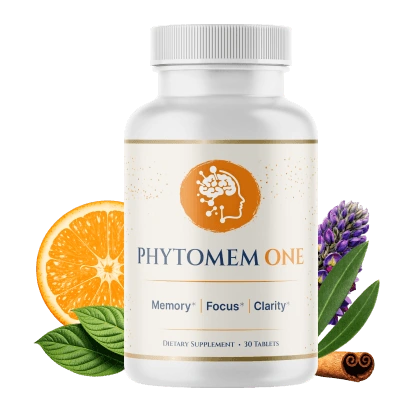
- It concentrates saffron, olive leaf, Morosil red orange and brown seaweed into one daily tablet — a convenience, not a treatment.
- Honest caveat
- Antioxidant-rich diets track with healthier ageing, but isolated high-dose pills have not reliably improved memory in trials.
Every breath you take fuels your brain and, as a by-product, produces reactive molecules called free radicals. In sensible amounts they are part of normal metabolism; in excess they contribute to a state called oxidative stress. This guide explains what antioxidants actually do, why the brain is so exposed, which plant antioxidants are worth knowing, and where a concentrated botanical formula like Phytomem One can play a supporting role — all in plain language, and with the honest caveats the science demands.
What are antioxidants, and why does the brain need them?
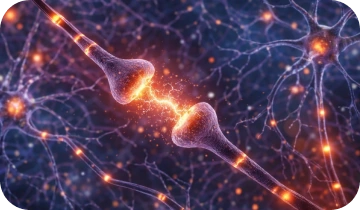
Antioxidants are molecules that neutralise reactive free radicals before those radicals can damage the fats, proteins and DNA inside your cells. The brain is uniquely dependent on this protection for two reasons: it consumes roughly a fifth of the body’s oxygen despite being a small fraction of its weight, and it is built largely from fatty membranes that oxidise easily. A steady dietary supply of antioxidants — above all the polyphenols found in colourful plants — helps the body maintain the balance that keeps this delicate tissue working. Think of them less as a magic shield and more as ongoing maintenance for an organ that never switches off.
What is oxidative stress, and how does it affect memory?
Oxidative stress is the imbalance that occurs when free radicals outnumber the antioxidants available to keep them in check. When that balance tips for long enough, the reactive molecules can chip away at cell membranes, enzymes and genetic material — a process researchers describe as one contributing factor, among several, in the gradual changes to memory and processing speed that many people notice with age. It is not the whole story of cognitive ageing, and no single antioxidant reverses it. But because the brain’s fatty architecture is especially vulnerable to this kind of wear, supporting the body’s antioxidant defences is a reasonable, evidence-informed part of looking after long-term brain health.
Do antioxidant supplements actually improve memory?
Here is where honesty matters. Population studies consistently link diets rich in antioxidant plants — the Mediterranean and MIND patterns, for example — with healthier cognitive ageing. Yet when researchers isolate single antioxidants into high-dose pills, such as large amounts of vitamin E or beta-carotene, the results for memory have been disappointing and occasionally counterproductive. The likely lesson is that whole plants deliver dozens of compounds working together, in modest amounts, alongside fibre and other nutrients — and that context is hard to bottle. A concentrated botanical blend is best understood as a convenient way to add more of those whole-plant compounds to a good routine, not as a proven memory treatment.
Which plant antioxidants matter most for the brain?
The most brain-relevant plant antioxidants fall into a few well-studied families, and several of them appear in Phytomem One. Below are the four the formula leans on most.
Saffron and its carotenoids
Saffron is a Persian spice unusually rich in the carotenoids crocin and crocetin, pigments studied for their antioxidant behaviour and long used in traditional wellness. It is among the more researched botanicals in the mood-and-cognition category, which is why it anchors many modern brain formulas, including Phytomem One.
Olive leaf and oleuropein
Olive leaf is a Mediterranean staple and one of nature’s richest sources of the polyphenol oleuropein, the same family of compounds that gives extra-virgin olive oil its reputation. Our deeper dive on olive leaf extract for brain health covers this ingredient in detail.
Red orange (Morosil) polyphenols
Morosil is an extract of the Sicilian blood orange, prized for a distinctive blend of anthocyanins, hydroxycinnamic acids and vitamin C. These citrus polyphenols are studied mainly for metabolic wellness — part of keeping the brain steadily fuelled, as our red orange extract guide explains.
Brown seaweed and fucoxanthin
Brown seaweed supplies fucoxanthin, a marine carotenoid with antioxidant properties that is uncommon in a land-based diet. It rounds out the plant palette with a compound most people rarely encounter, and we explore it in the fucoxanthin guide.
| Plant antioxidant | Key compound | Antioxidant family |
|---|---|---|
| Saffron | Crocin & crocetin | Carotenoid pigments |
| Olive leaf | Oleuropein | Secoiridoid polyphenol |
| Morosil red orange | Anthocyanins & vitamin C | Flavonoid polyphenols |
| Brown seaweed | Fucoxanthin | Marine carotenoid |
| Ceylon cinnamon | Cinnamaldehyde | Polyphenol-rich spice |
Four antioxidant families, one daily tablet
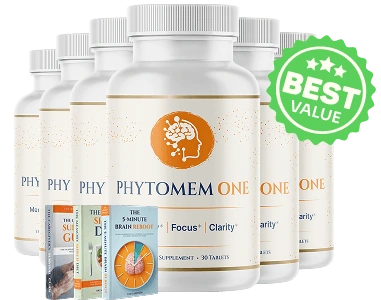
Rather than juggling four separate extracts, Phytomem One concentrates saffron, olive leaf, Morosil red orange and brown seaweed into a single once-daily tablet. See the exact dose in Phytomem — the six-bottle bundle is the best value at $49 per bottle, with free U.S. shipping and a 60-day guarantee.
Check today’s Phytomem pricing — from $49/bottleHow does Phytomem One concentrate these antioxidants into one tablet?
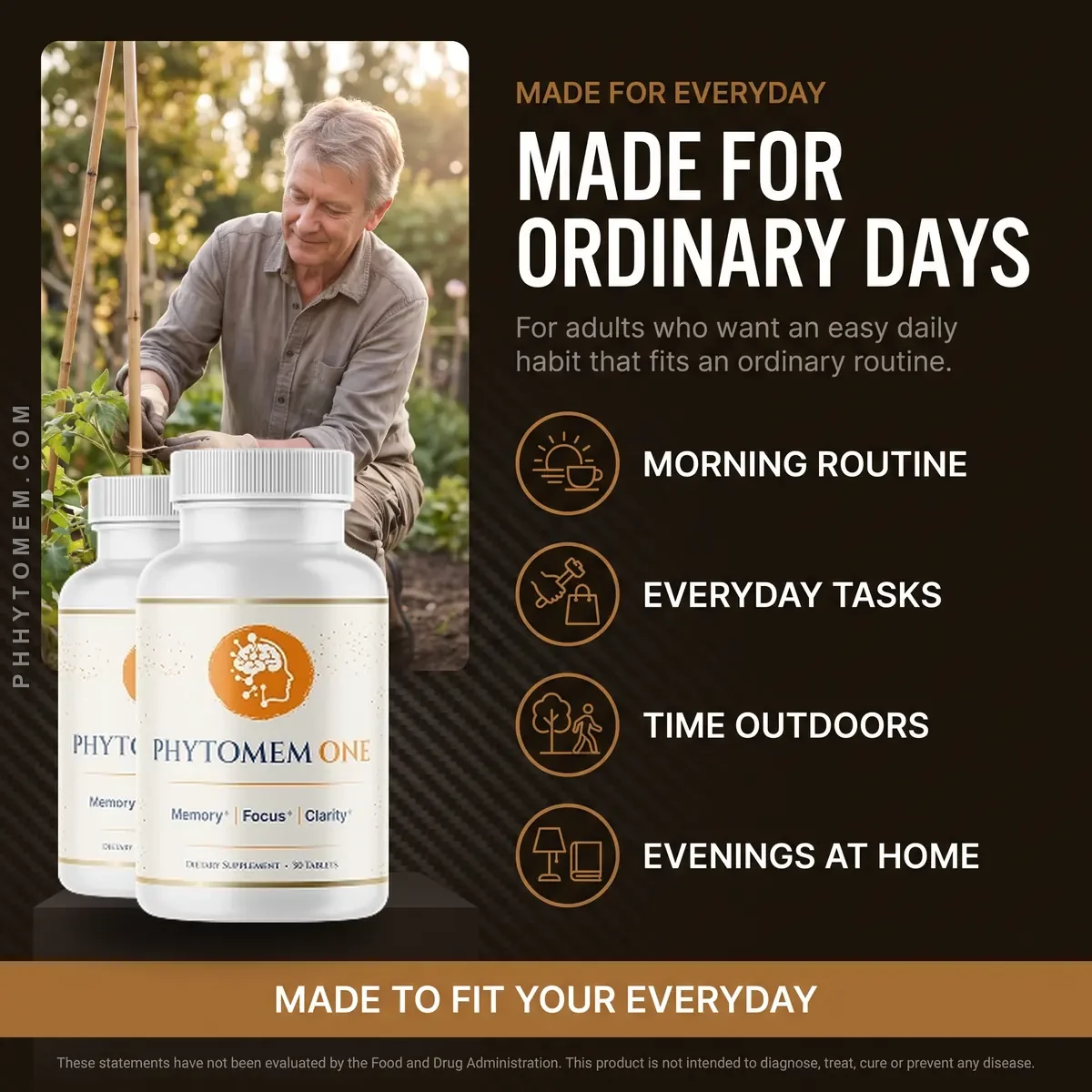
Phytomem One is a once-daily botanical tablet designed to gather several antioxidant plant compounds into a single, convenient step. Alongside the four highlighted above, it adds berberine, Ceylon cinnamon, banaba leaf and kudzu — a 10-in-1 blend that pairs antioxidant polyphenols with botanicals studied for the metabolic wellness that keeps the brain fuelled. The point is not that a tablet outperforms a plate of vegetables; it does not, and it is not meant to. The point is that most people struggle to eat saffron, olive leaf and seaweed every single day, and a standardised extract makes those less-common plant antioxidants easy to include consistently. For the full breakdown, see the ingredients section or our home-page Phytomem One review.
How do the main plant antioxidants compare at a glance?
No single antioxidant is a hero, but each brings something different to the plate — a different pigment, a different food tradition, a different everyday source. This table sorts the headline ingredients by where you would normally find them and what they are best known for.
| Ingredient | Everyday food source | Best known for |
|---|---|---|
| Saffron | Persian spice, rice dishes | Mood & cognitive wellness tradition |
| Olive leaf | Mediterranean diet, olive oil | Oleuropein polyphenol content |
| Red orange | Sicilian blood oranges | Anthocyanins & metabolic wellness |
| Brown seaweed | Seaweed salads, miso | Rare marine carotenoid fucoxanthin |
| Berries & greens | Everyday fruit & veg | Broadest, cheapest antioxidant base |
How do you get more brain antioxidants from food and lifestyle?
The cheapest, best-evidenced antioxidant strategy is on your plate, not in a bottle. Build the foundation first and let any supplement fill the gaps:
- Eat the rainbow daily — berries, leafy greens, peppers, beetroot and other deeply coloured produce carry the most polyphenols.
- Use extra-virgin olive oil as your main fat for its oleuropein and healthy fats.
- Add herbs and spices — turmeric, cinnamon, oregano and saffron are antioxidant-dense per gram.
- Drink green tea or coffee in moderation for their plant polyphenols.
- Protect your sleep and move most days — the body makes its own antioxidant enzymes, and both habits support them.
- Consider one daily botanical tablet to include harder-to-eat extracts like saffron and seaweed consistently.
For a full plate-level plan, read our guide to the best foods for brain health and memory, and compare the packages and pricing if a tablet suits your routine.
When should you talk to a doctor?
Antioxidant foods and botanicals are for supporting an already-healthy mind, not for treating illness. Speak with your doctor before adding any concentrated supplement if you are pregnant or nursing, under 18, take any medication (some botanicals can interact), have a diagnosed condition, or notice persistent or worsening problems such as sudden confusion, marked memory loss or changes that interfere with daily life. A brief conversation makes sure anything new fits safely alongside your existing care.
Frequently asked questions
What are antioxidants, and why does the brain need them?
Antioxidants are molecules that neutralise reactive free radicals before they damage cells. The brain uses a large share of the body’s oxygen and is rich in fats that are easily oxidised, so a steady supply of dietary antioxidants — especially plant polyphenols — helps protect the tissue that underpins memory and focus.
Do antioxidant supplements improve memory?
Evidence is mixed. Diets rich in antioxidant plants are consistently linked with healthier cognitive ageing, but isolated high-dose antioxidant pills have not reliably improved memory in trials. Whole-plant polyphenol blends are a support for a healthy routine, not a treatment for any disease.
What is oxidative stress and how does it affect the brain?
Oxidative stress is the imbalance between free radicals and the antioxidants that keep them in check. Over time it can damage the fats, proteins and DNA in brain cells, which is one of several factors researchers associate with age-related changes in memory and processing speed.
Which plant antioxidants does Phytomem One use?
Phytomem One concentrates saffron, olive leaf, Morosil Sicilian red orange and brown-seaweed extracts, alongside berberine, Ceylon cinnamon, banaba and kudzu. Each contributes a different family of polyphenols and carotenoids in one daily tablet.
Can I just eat antioxidant-rich foods instead?
Food should always come first. Berries, leafy greens, olive oil, colourful fruit, herbs and green tea are excellent sources of brain-friendly antioxidants. A concentrated botanical tablet is a convenience that helps fill everyday gaps, not a replacement for a whole-food diet.
How long before antioxidants make a difference?
Antioxidant support works gradually and preventively rather than as a quick fix. Most people treat it as a long-term habit alongside sleep, exercise and a plant-rich diet, and individual results vary.
See the exact dose in Phytomem One — risk-free for 60 days →
Phytomem One is a dietary supplement, not a treatment for any medical condition. These statements have not been evaluated by the Food and Drug Administration. This product is not intended to diagnose, treat, cure or prevent any disease. Always consult a qualified healthcare professional about your individual needs.
References & further reading
- National Center for Complementary and Integrative Health (NCCIH). Antioxidants: In Depth. nccih.nih.gov/health/antioxidants-in-depth
- National Institutes of Health, Office of Dietary Supplements. Vitamin E — Health Professional Fact Sheet. ods.od.nih.gov/factsheets/VitaminE-HealthProfessional
- PubMed / U.S. National Library of Medicine. Oxidative stress and cognitive ageing — research literature. pubmed.ncbi.nlm.nih.gov
- Examine.com. Saffron (Crocus sativus) — evidence-based summary. examine.com/supplements/saffron
- Harvard T.H. Chan School of Public Health. Antioxidants — The Nutrition Source. hsph.harvard.edu/nutritionsource/antioxidants
These references describe the ingredients and habits in general terms and do not constitute evidence that any product treats, cures or prevents any condition.
Keep reading: olive leaf extract for brain health · fucoxanthin from brown seaweed · back to the Phytomem One blog · homepage.