Kudzu flower extract benefits in the Phytomem One blend
Updated August 2026 · reviewed by the Phytomem Research Team. We are an independent information resource, not a medical provider, and this article is educational rather than medical advice.
Kudzu flower extract is a concentrated preparation of the blossoms of the Pueraria vine, prized in East Asian herbal tradition and rich in isoflavones such as tectorigenin, kakkalide and daidzein. Its appeal in a modern formula is not a single dramatic effect but a broad, antioxidant-leaning plant profile — and in Phytomem One it is the tenth botanical that rounds out the 10-in-1 blend, working quietly alongside the sugar-free carrier, xylitol.
What kudzu flower actually brings to the table.
- What it is
- The dried flower of the kudzu vine (Pueraria), traditionally called Ge Hua, standardised into an isoflavone-rich extract.
- Signature compounds
- Tectorigenin and kakkalide lead the flower’s profile, joined by daidzein and other isoflavones — a different mix from the root.
- The honest evidence
- Traditional use is centuries deep; rigorous human trials on the flower specifically are still limited, so we describe it in general terms.
- Where it fits
- It completes the Phytomem One botanical line-up; xylitol is the low-glycaemic sweetener that makes the tablet pleasant, not an active.
This article closes our ingredient series with the botanical people ask about most because they recognise it least. Kudzu is famous as an invasive vine and a traditional remedy, but the flower — as opposed to the more commonly sold root — carries its own distinct chemistry. Below we separate tradition from evidence, map the plant compounds, and show where kudzu flower and xylitol sit inside Phytomem One.
What is kudzu flower extract?
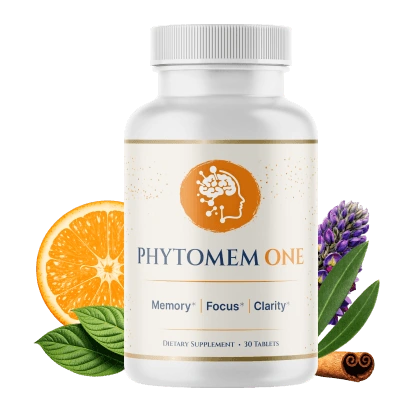
Kudzu flower extract is made from the purple blossoms of Pueraria lobata and its relatives, plants native to China, Japan and Korea and known in traditional medicine as Ge Hua. Whereas the starchy kudzu root has been eaten and brewed for centuries, the flower was gathered separately, valued for a sweet, faintly grape-like aroma and a concentrated dose of plant pigments. A modern extract captures those pigments — chiefly isoflavones — in a standardised, measurable form. In Phytomem One it appears as a botanical concentrate rather than a whole-herb powder, so each daily serving carries a consistent amount of the flower’s signature compounds.
What are kudzu isoflavones, and why do they matter?
Kudzu isoflavones are a group of polyphenol plant compounds that give the Pueraria flower its antioxidant character. The flower’s profile is led by tectorigenin and its glycoside kakkalide, joined by daidzein, genistein and related molecules. Isoflavones belong to the wider polyphenol family — the same broad class as the anthocyanins in red orange or the oleuropein in olive leaf — and are studied for how they behave as antioxidants. To be precise: isoflavones interest researchers, but they are not a drug and not a treatment for any condition. What they offer a formula is diversity — a different structural family of protective plant compounds than the other nine botanicals contribute.

Kudzu flower versus kudzu root: what is the difference?
Kudzu flower and kudzu root come from the same plant but are not interchangeable, because each part concentrates a different set of isoflavones. Most kudzu products on the shelf are made from the root, whose headline compound is puerarin. The flower, by contrast, is low in puerarin and high in tectorigenin and kakkalide — a genuinely different fingerprint. This matters when you compare labels: a “kudzu extract” listing puerarin is almost certainly a root preparation, while Phytomem One specifies the flower for that tectorigenin-led profile. Neither is superior; they do different jobs, and knowing which one you are buying is the point.
| Feature | Kudzu flower (Ge Hua) | Kudzu root (Ge Gen) |
|---|---|---|
| Part used | Dried purple blossoms | Starchy underground root |
| Lead compounds | Tectorigenin, kakkalide, daidzein | Puerarin, daidzin |
| Traditional association | Comfort after drinking; digestive ease | Circulation and warmth; culinary starch |
| Common product form | Standardised isoflavone extract | Powder, starch, root extract |
| Used in Phytomem One | Yes — the flower extract | No |
What does tradition claim, and what does the evidence show?
What did traditional healers use it for?
Traditional East Asian medicine used kudzu flower chiefly for everyday comfort after alcohol and for gentle digestive support, but that heritage should not be mistaken for clinical proof. Records from classical Chinese herbalism describe Ge Hua as a remedy taken to ease the aftermath of drinking, and this remains its best-known folk use.
What does modern research actually say?
Modern evidence on the flower specifically is still early rather than conclusive. Laboratory work has looked at tectorigenin and kakkalide for antioxidant activity, and a handful of small studies have explored kudzu for alcohol-related outcomes — but most of that research involves the root or isolated compounds, in animals or the test tube, not the flower in people. The honest summary: the tradition is old, the mechanistic research is promising but early, and robust human trials are still thin. That is why a responsible formula treats it as one supporting botanical, not a headline cure.
See the exact kudzu flower dose in Phytomem One →
Why does East Asian botanical variety matter in a nootropic?
The case for East Asian botanicals in a memory formula is diversity: different plant traditions supply different families of protective compounds, and breadth tends to beat any single hero ingredient. Phytomem One is built as a 10-in-1 blend so that no one plant has to do all the work. Saffron and Morosil red orange bring the Mediterranean side; kudzu flower, alongside other Asian botanicals, widens the polyphenol range with isoflavones the Western pantry rarely provides. Thinking of a supplement as an ensemble — many modest contributions rather than one blockbuster — is the same philosophy behind a varied, colourful diet, which is why we also cover the whole cast in our guide to the best foods for brain health.

The full 10-in-1 blend
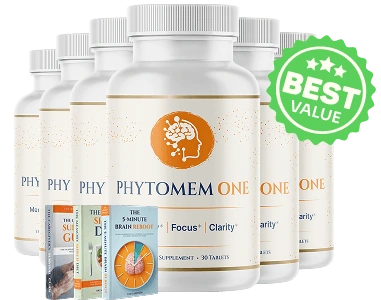
Phytomem One pairs kudzu flower and saffron with Morosil red orange, berberine and six more botanicals in one daily tablet, sweetened with xylitol rather than sugar. The six-bottle bundle is the best value at $49 per bottle, with free U.S. shipping and a 60-day guarantee.
Order Phytomem One — from $49/bottleWhat is the role of xylitol in Phytomem One?
Xylitol is a plant-derived sugar alcohol that Phytomem One uses as a low-glycaemic sweetener and bulking agent, not as an active nootropic ingredient. Found naturally in birch, corn cobs and many fruits and vegetables, xylitol tastes almost as sweet as sugar but has a much smaller effect on blood glucose, which suits a formula meant to support steady daily energy. In the tablet it does two practical jobs: it gives the botanical concentrate a pleasant taste so a once-daily habit is easy to keep, and it helps bind the ingredients into a stable tablet. We name it plainly because a transparent label lists its excipients rather than hiding them — but the memory-and-focus rationale rests on the ten botanicals.
Is xylitol safe to have around the house?
Xylitol is safe for people in normal amounts, but it is toxic to dogs, so any supplement containing it should be kept well away from pets.
| Component | What it is | Role in the tablet |
|---|---|---|
| Kudzu flower extract | Isoflavone-rich Pueraria blossom | Active botanical; adds tectorigenin-led polyphenols. |
| Kudzu isoflavones | Tectorigenin, kakkalide, daidzein | The antioxidant compounds the flower is standardised for. |
| Xylitol | Plant-derived sugar alcohol | Low-glycaemic sweetener and bulking agent. |
| Other 9 botanicals | Saffron, Morosil, berberine and more | The rest of the 10-in-1 memory-and-focus blend. |
How should you think about kudzu flower in your routine?
Kudzu flower is best understood as a supporting botanical you take consistently, not a stimulant you feel within the hour. Because its contribution is a slow, antioxidant-leaning one shared across a blend, the sensible approach is the same as with the rest of Phytomem One: one tablet daily, with food and water, given a few weeks rather than a few days. Pair it with the basics that carry far more evidence — sleep, movement, mental challenge and a whole-food plate. For the full routine, see our companion piece on how to improve memory and focus naturally and our saffron and berberine guide to the blend’s two most-studied actives.
Is kudzu flower extract safe?
Kudzu has a long culinary and traditional history and is generally well tolerated at food-level amounts, but human safety data for concentrated flower extracts remains limited. Because isoflavones can interact with the body in ways still being studied, and kudzu may theoretically affect how some medicines are processed, it is wise not to assume “natural” means “risk-free.” Anyone pregnant or breastfeeding, taking prescription medication, or living with a health condition should speak with a qualified healthcare professional before starting any new supplement. The goal, as with every ingredient in this series, is informed use, not hype.
Frequently asked questions
What are the main kudzu flower extract benefits?
Kudzu flower extract is valued mainly as a source of isoflavones such as tectorigenin, kakkalide and daidzein, which act as antioxidants. In traditional East Asian use the flower was associated with everyday comfort after drinking, while modern interest centres on its plant compounds rather than any proven medical effect.
Is kudzu flower the same as kudzu root?
No. Kudzu root (Pueraria lobata) is richest in puerarin, while the flower (often called Ge Hua) carries a different isoflavone profile led by tectorigenin and kakkalide. Phytomem One uses a flower extract, which is why its compound mix differs from root-based products.
What are kudzu isoflavones?
Kudzu isoflavones are a family of plant polyphenols — including daidzein, genistein, tectorigenin and kakkalide — that give the Pueraria plant its antioxidant character. They are studied for their behaviour in the body, but isoflavones are not a treatment for any disease.
How much kudzu flower extract is in Phytomem One?
Kudzu flower is one of the ten botanicals in the Phytomem One daily tablet. The exact standardised amount is printed on the Supplement Facts panel; check today’s label and pricing on the official order page before buying.
Why does Phytomem One contain xylitol?
Xylitol is a plant-derived sugar alcohol used in Phytomem One as a low-glycaemic sweetener and bulking agent, so the tablet tastes pleasant without added sugar. It is a formulation aid rather than an active nootropic ingredient.
Is kudzu flower extract safe?
Kudzu has a long history of culinary and traditional use and is generally well tolerated in food-level amounts, but human safety data for concentrated extracts is limited. Anyone pregnant, breastfeeding, on medication or with a health condition should speak to a qualified professional first.
Check today’s Phytomem One pricing →
Phytomem One is a dietary supplement, not a treatment for any medical condition. These statements have not been evaluated by the Food and Drug Administration. This product is not intended to diagnose, treat, cure or prevent any disease. Always consult a qualified healthcare professional about your individual needs.
References & further reading
- National Center for Complementary and Integrative Health (NCCIH). Kudzu. nccih.nih.gov/health/kudzu
- Examine.com. Kudzu (Pueraria). examine.com/supplements/kudzu
- PubMed / U.S. National Library of Medicine. Pueraria flower isoflavones — research literature. pubmed.ncbi.nlm.nih.gov
- National Center for Biotechnology Information (NCBI). Tectorigenin — PubChem compound summary. pubchem.ncbi.nlm.nih.gov/compound/Tectorigenin
- Mayo Clinic. Xylitol and other sugar substitutes. mayoclinic.org — artificial sweeteners
These references describe the ingredients in general terms and do not constitute evidence that any product treats, cures or prevents any condition.
Keep reading: how saffron and berberine work · best foods for brain health · the full Phytomem One review · back to the Phytomem One blog.