Best vitamins for brain and memory: the Phytomem One buyer's guide
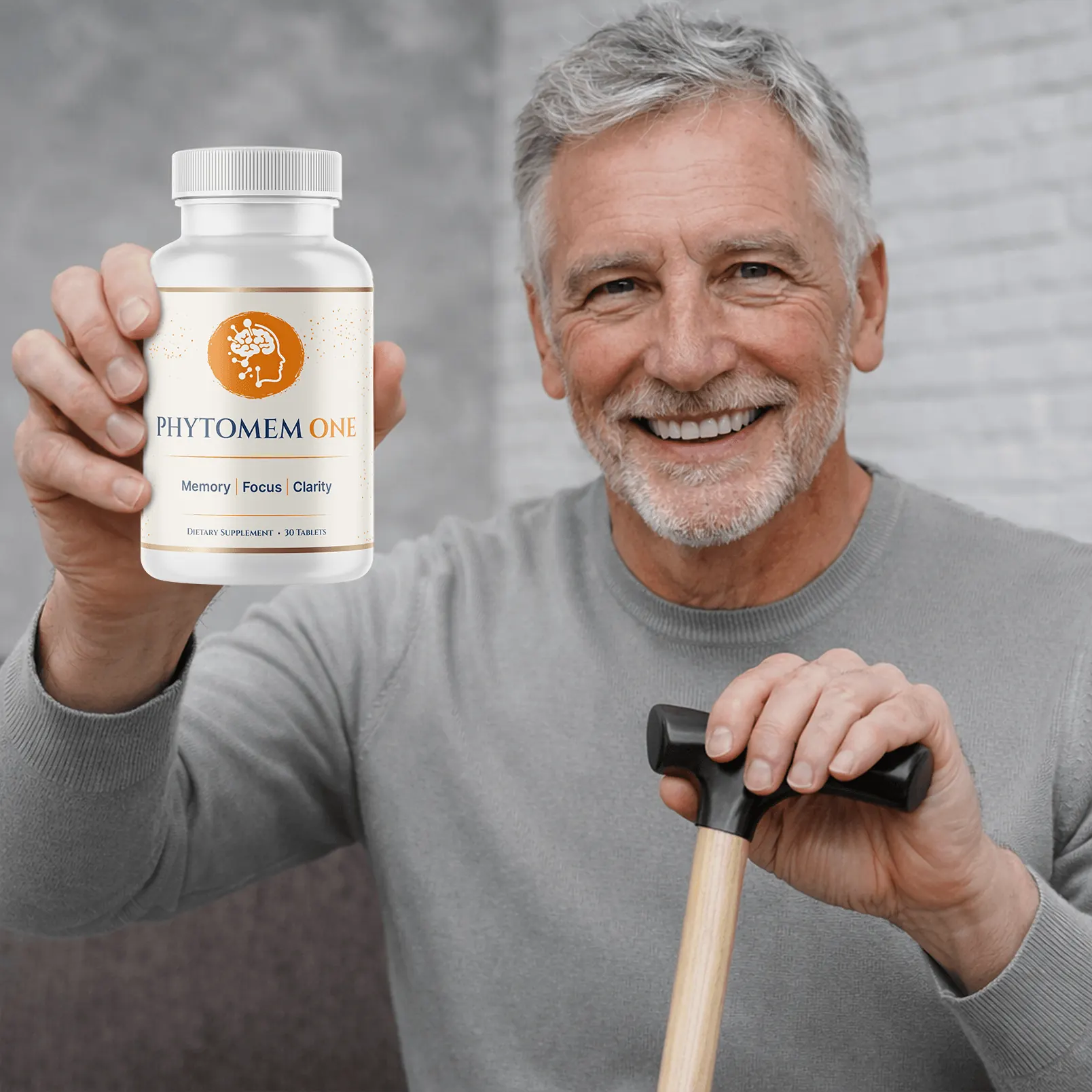
Updated August 2026 · reviewed by the Phytomem Research Team. We are an independent information resource, not a medical provider, and this article is educational rather than medical advice.
The best vitamins for brain and memory are not a single miracle pill but the specific nutrients that fill a real gap in your diet — most often the B-vitamins, vitamin D and omega-3s — taken at doses your body can actually use, from a company transparent about what is inside. This guide shows what to look for, how to read a label, and how a botanical formula like Phytomem One fits as a reference point rather than a cure.
What to actually look for when you shop for a brain-and-memory product.
- Start with a gap
- The most useful vitamins are the ones you are genuinely short on — commonly B12, folate, vitamin D or omega-3s — not whatever is trending.
- Demand transparency
- Every ingredient should be named with its exact dose. Hidden “proprietary blends” are the biggest red flag in the category.
- Check quality marks
- Made in a GMP and FDA-registered facility, third-party tested, and honest, disease-claim-free marketing.
- Weigh the value tier
- Per-bottle price usually falls on multi-month bundles; botanicals are taken for weeks, so buying a fuller supply is often the better value.
Walk down any supplement aisle and the choice is overwhelming: single vitamins, giant “brain” stacks, and glossy bottles promising a razor-sharp memory. Most of the decision comes down to a handful of questions you can answer in a couple of minutes once you know what matters. Below we work through each one, then use Phytomem One — a once-daily 10-in-1 botanical tablet — as a worked example of how a transparent product should read.
What are the best vitamins for brain and memory?
The best vitamins for brain and memory are the nutrients that address a genuine shortfall in your own diet, because a vitamin only helps when you are low on it in the first place. For most people the short list is the B-vitamins — B6, B9 (folate) and B12, which support normal nervous-system function — along with vitamin D, which many people run low on, and the omega-3 fats found in oily fish. Beyond correcting a deficiency, no vitamin has been shown to sharpen an already well-nourished memory, which is why well-studied botanicals are so often added for everyday support. The honest framing is simple: fix the gaps first, then decide whether a botanical blend earns a place in your routine.
Why does dosing transparency matter more than the label claim?
Dosing transparency means a product lists every active ingredient together with the exact amount it contains, so you can judge it against the research instead of the marketing. It is the single most useful thing to check, because a striking claim on the front of a bottle tells you nothing about whether there is a meaningful dose inside.
What is a “proprietary blend” and why is it a red flag?
A proprietary blend lists several ingredients under one combined weight without revealing how much of each is present. That lets a label name an impressive-sounding botanical while including only a trace of it — a practice sometimes called “fairy dusting.” A trustworthy memory supplement breaks out each ingredient with its own milligram figure so nothing hides behind a blend.
Do the ingredient forms matter?
Yes. The form of a nutrient affects how well your body absorbs it. Methylcobalamin and methylfolate are well-absorbed forms of B12 and folate; vitamin D3 is generally preferred to D2; and magnesium L-threonate is a form studied specifically for reaching the brain. A transparent label lets you see the form, not just the name — a detail we cover in our look at magnesium L-threonate versus botanicals.
What quality marks should you look for in brain vitamins?
The quality marks worth looking for are the ones that speak to how a supplement is made and verified, not how it is advertised. Because supplements are regulated as food rather than medicine, the manufacturing standards a company chooses to meet tell you a great deal about how seriously it takes what goes in the bottle.
| Quality mark | What it tells you | Why it matters |
|---|---|---|
| GMP certified | Made under Good Manufacturing Practice standards | Consistency, cleanliness and accurate dosing from batch to batch. |
| FDA-registered facility | The plant is registered and inspectable | A basic accountability step — not FDA approval of the product itself. |
| Third-party tested | An outside lab checks identity and purity | Confidence the label matches the contents and screens contaminants. |
| Non-GMO / allergen-free | Sourcing and formulation disclosures | Useful if you avoid GMOs, gluten, dairy or animal products. |
| Money-back guarantee | The company will refund an unhappy buyer | A commercial sign the maker stands behind the formula. |
None of these marks is a promise that a product works — they are about how it is made and how the company behaves. But together they separate a considered formula from a hastily bottled one. Phytomem One is made in the USA in a GMP and FDA-registered facility and carries a 60-day money-back guarantee, which puts it on the right side of each row above.
Which nutrients and botanicals actually have evidence?
An evidence-led memory supplement leans on ingredients with published human research rather than a long list of exotic names. The table below groups the ingredients most often discussed for brain and memory support, with an honest note on where the evidence is stronger and where it is still preliminary.
| Ingredient | Category | Strength of evidence for everyday support |
|---|---|---|
| B-vitamins (B6, B9, B12) | Essential vitamins | Well established for people who are deficient; limited extra benefit if you are not. |
| Omega-3 (EPA/DHA) | Essential fats | Strong dietary evidence; best obtained from oily fish or a quality supplement. |
| Vitamin D | Essential vitamin | Worth correcting if low; broad wellness role rather than a memory-specific one. |
| Saffron | Botanical | Among the more researched botanicals for mood and cognitive wellness. |
| Berberine / Ceylon cinnamon | Botanical | Studied mainly for metabolic wellness, which helps fuel the brain; preliminary for memory itself. |
Notice the pattern: the essential nutrients have the firmest evidence but only when you are short of them, while the botanicals are promising, traditional supports rather than proven treatments. That is exactly how a formula like Phytomem One is positioned — everyday support, not a medicine. For a deeper look at two of its headline botanicals, read our guide to saffron and berberine for brain health, and for the food-versus-pill question see brain food versus brain supplements.
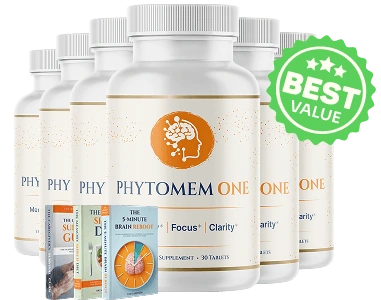
See the exact dose in Phytomem One
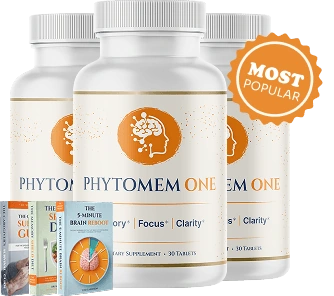
Phytomem One lists its 10-in-1 blend openly — saffron, Morosil red orange, berberine, Ceylon cinnamon and more — in a once-daily tablet. The six-bottle bundle is the best value at $49 per bottle, with free U.S. shipping and a 60-day guarantee.
Check today's Phytomem pricing — from $49/bottleHow do value tiers and pricing compare?
A value tier is simply the per-bottle price you pay at a given bundle size, and in this category the single bottle is almost always the worst deal. Because botanicals are taken over weeks to months, most brands price a larger supply lower per bottle, so the honest question is not “what is the cheapest bottle?” but “what will a full routine cost?” The table below shows how a typical tiered structure works, using Phytomem One's public pricing as the example.
| Tier | Typical use | Per-bottle value |
|---|---|---|
| 1 bottle (30-day) | A first trial | Highest per-bottle cost — convenient, least economical. |
| 3 bottles (90-day) | A full routine to judge fairly | Mid-tier value with a lower per-bottle price and often free shipping. |
| 6 bottles (180-day) | The habit locked in | Best per-bottle value at $49, free U.S. shipping and bonus material. |
Two rules keep you honest here. First, never buy more than a single bottle until you have confirmed the label is transparent and the guarantee is real. Second, once you have decided to commit, the multi-month tier usually wins on value because it spreads the cost and stops you running out mid-routine. You can compare the current packages and pricing on the homepage.
How does Phytomem One measure up as a reference point?
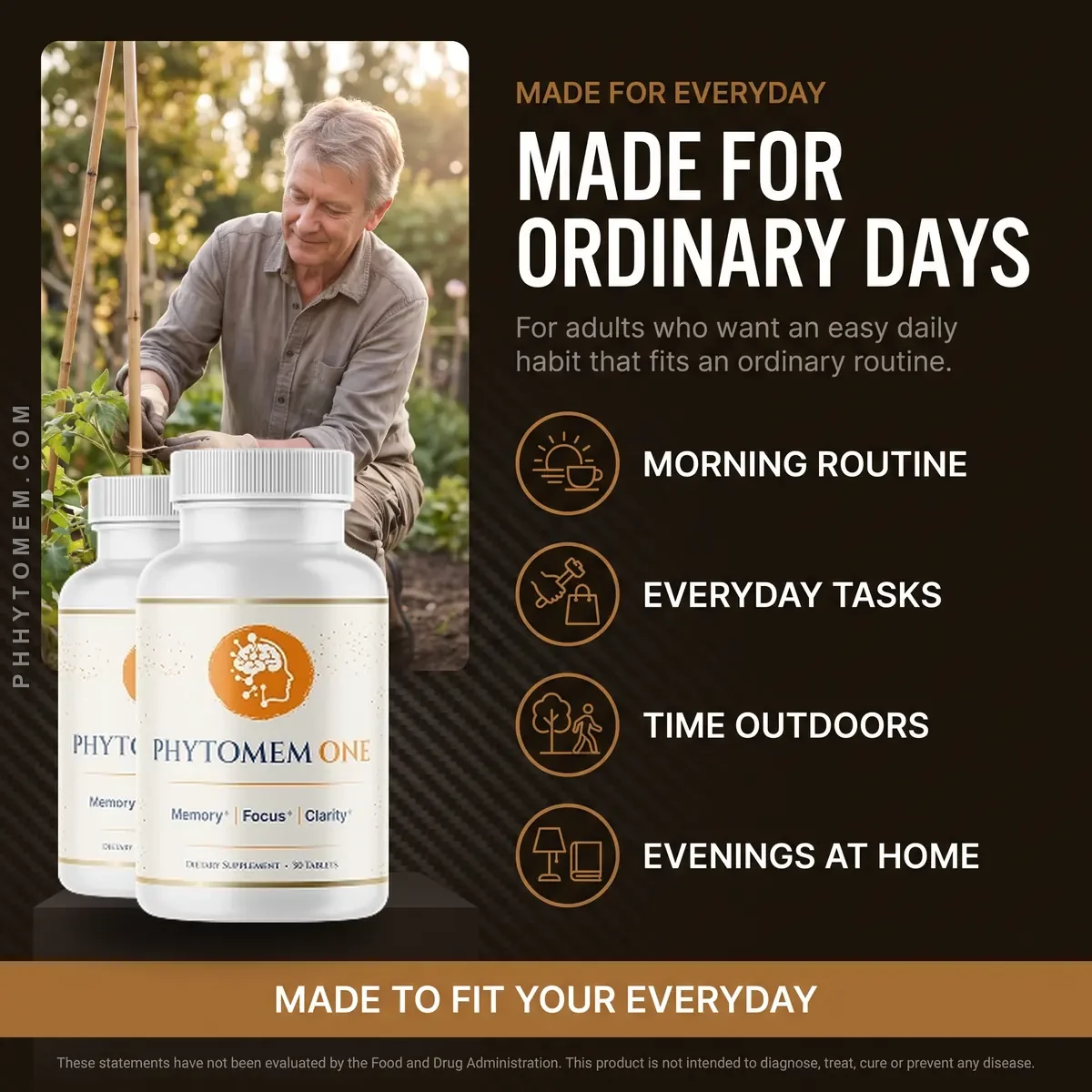
Used as a yardstick, Phytomem One checks the boxes this guide has laid out: an openly listed 10-in-1 blend with named ingredients, manufacturing in a GMP and FDA-registered U.S. facility, disease-claim-free marketing, and a 60-day money-back guarantee behind a tiered price. It is a botanical support formula rather than a vitamin megadose, which means it is best thought of as the everyday layer that sits on top of a good diet — not as a substitute for a specific vitamin your doctor has recommended. Read the full Phytomem One review for the complete ingredient panel and pricing, or see how it stacks against food-first strategies in brain food versus brain supplements.
How to choose a memory supplement: a quick checklist
Choosing a memory supplement comes down to running a product through a short, repeatable checklist before you pay. Work down this list and a confusing shelf becomes a quick yes-or-no decision:
- Does it name a real gap? If you are low on B12, D or omega-3, start there before anything exotic.
- Is every dose disclosed? Reject hidden proprietary blends — you should see milligrams beside each ingredient.
- Are the forms absorbable? Look for methylated B-vitamins, D3 and studied botanical extracts.
- Where and how is it made? GMP, an FDA-registered facility and third-party testing are the baseline.
- Is the marketing honest? Walk away from anything promising to cure, treat or reverse a disease.
- Is there a guarantee? A clear refund window lets you trial a full routine at low risk.
See the exact dose in Phytomem One →
When should you talk to a doctor?
Supplements are for supporting an already-healthy mind, and they are never a replacement for medical care. Speak with your doctor or pharmacist before starting any brain or memory product if you are pregnant or nursing, under 18, take any medication, or have a diagnosed condition — and bring the full ingredient list so they can check for interactions. See a professional promptly for warning signs such as sudden confusion, marked memory loss, or changes that interfere with daily life. A transparent label is what makes that conversation quick and easy, which is one more reason to insist on it.
Frequently asked questions
What are the best vitamins for brain and memory?
The best vitamins for brain and memory are the ones matched to a real gap in your diet — most often the B-vitamins (B6, B9 folate and B12), vitamin D and omega-3 fatty acids — at doses your body can actually use. For otherwise well-nourished people, well-studied botanicals such as saffron and Ceylon cinnamon are often added for everyday support rather than a single vitamin.
What should you look for in brain vitamins?
Look for a transparent label that lists every ingredient with its exact dose, third-party quality marks such as GMP and made-in-a-registered-facility, forms your body absorbs well, and honest marketing that avoids disease claims. A clear money-back guarantee is a sign the company stands behind the product.
Is a more expensive memory supplement always better?
No. Price reflects branding, ingredient cost and bundle size more than effectiveness. The better value is usually a transparent formula bought in a multi-month supply, because botanicals build their support gradually and a larger bundle lowers the per-bottle cost.
How do I choose a memory supplement if I take medication?
Speak with your doctor or pharmacist before starting any brain or memory supplement if you take medication, are pregnant or nursing, or have a diagnosed condition. Bring the full ingredient list so they can check for interactions — a transparent label makes this conversation easy.
How long before brain vitamins make a difference?
Correcting a genuine vitamin shortfall can help within a few weeks, while botanical blends are generally taken for several weeks to a few months before people judge them. Consistency matters more than dose size, and individual results vary.
Does Phytomem One contain the ingredients in this guide?
Phytomem One is a once-daily botanical tablet built on a 10-in-1 blend that includes saffron, Morosil red orange, berberine and Ceylon cinnamon. It is designed as everyday support alongside a whole-food diet, not as a replacement for a vitamin your doctor has told you to take.
Try Phytomem One risk-free for 60 days →
Phytomem One is a dietary supplement, not a treatment for any medical condition. These statements have not been evaluated by the Food and Drug Administration. This product is not intended to diagnose, treat, cure or prevent any disease. Always consult a qualified healthcare professional about your individual needs.
References & further reading
- National Institutes of Health, Office of Dietary Supplements. Vitamin B12 — Fact Sheet for Consumers. ods.od.nih.gov/factsheets/VitaminB12-Consumer
- National Center for Complementary and Integrative Health (NCCIH). Dietary Supplements for Cognitive Function. nccih.nih.gov/health/cognitive-function
- Mayo Clinic. Memory loss: 7 tips to improve your memory. mayoclinic.org/memory-loss
- Examine.com. Saffron (Crocus sativus) — evidence-based summary. examine.com/supplements/saffron
- National Institutes of Health, Office of Dietary Supplements. Omega-3 Fatty Acids — Fact Sheet for Consumers. ods.od.nih.gov/factsheets/Omega3FattyAcids-Consumer
- PubMed / U.S. National Library of Medicine. B vitamins, folate and cognition — research literature. pubmed.ncbi.nlm.nih.gov
These references describe the ingredients and habits in general terms and do not constitute evidence that any product treats, cures or prevents any condition.
Keep reading: brain food versus brain supplements · how to improve memory and focus naturally · back to the Phytomem One blog · homepage.