Magnesium L-threonate for memory vs Phytomem One botanicals: which fits you in 2026?

Updated August 2026 · reviewed by the Phytomem Research Team. We are an independent information resource, not a medical provider, and this article is educational rather than medical advice.
Magnesium L-threonate for memory is a single-mineral supplement, chosen for how well it raises magnesium in the brain, while a whole-botanical formula like Phytomem One layers several plant compounds that support the metabolic groundwork of a sharp mind. One is a precise fix for a specific nutrient; the other is a broader, everyday routine. This guide weighs them honestly so you can see which approach — or which combination — makes sense for you.
Mineral or botanical? The short version, in one place.
- What it is
- Magnesium L-threonate is magnesium bound to threonic acid, studied for reaching the brain more readily than ordinary magnesium salts.
- What it does
- It tops up one mineral. A botanical blend such as Phytomem One instead supports blood sugar, circulation and antioxidant balance — the fuel side of focus.
- Which is “better”
- Neither by default. A single nutrient suits a known gap; a plant blend suits people who want broad, food-style support.
- Can you combine them
- Often yes, because they work through different routes — but confirm the total dose with your doctor, especially if you take medication.
Search “memory minerals” and one name dominates: magnesium L-threonate, the form researchers reached for when they wanted magnesium to actually get into brain tissue. It has become the poster child of the single-nutrient nootropic. But few minds run on one molecule, and that is where the mineral-versus-botanical question gets interesting. This article compares the two fairly and shows where a plant blend like Phytomem One fits alongside — or instead of — a standalone mineral.
What is magnesium L-threonate for memory?
Magnesium L-threonate is a chelated form of magnesium bound to threonic acid, a compound chosen in laboratory work for how efficiently it helps magnesium cross into brain tissue. Magnesium itself is an essential mineral involved in hundreds of processes, including the nerve-cell signalling that underpins learning and memory. The “L-threonate” part is simply the delivery vehicle: the idea is not more magnesium in the blood, but more where thinking happens. It is a dietary supplement, not a medicine.
Why do people take magnesium for the brain?
Interest in magnesium for the brain grew from two plain facts. First, many adults do not get enough magnesium from diet alone, so topping up corrects a genuine shortfall. Second, magnesium plays a role at the synapse — the junction where nerve cells talk — which made it a candidate for supporting memory and learning rather than just muscle and sleep. Magnesium L-threonate became the form most talked about for cognition, because animal studies suggested it raised brain magnesium in a way common salts did not.
Is the evidence for magnesium threonate benefits strong?
The honest answer is that magnesium threonate benefits look promising but remain early, especially in humans. Much of the excitement rests on animal research and a small number of human trials; the mineral's foundational role in nerve signalling is well established, but the specific claim that a threonate supplement sharpens memory in healthy adults needs larger, longer studies. That is not a reason to dismiss it, but a reason to keep expectations grounded and treat bold marketing with caution.
| Magnesium form | Common use | Note for the brain |
|---|---|---|
| L-threonate | Cognition, memory | The form most studied for reaching brain tissue; human evidence is still early. |
| Glycinate | Sleep, calm | Gentle on the stomach and popular for relaxation and rest. |
| Citrate | General top-up | Well absorbed and inexpensive; can loosen stools at higher doses. |
| Oxide | Cheap top-up | Poorly absorbed; often used more as a laxative than a brain aid. |
What is a mineral vs botanical nootropic, really?
The mineral-versus-botanical distinction comes down to breadth: a mineral supplement delivers one defined nutrient at a measured dose, while a botanical nootropic delivers a spread of plant compounds that act on several everyday systems at once. Magnesium L-threonate is the archetype of the first — precise, single-target, easy to dose. A blend like Phytomem One is the archetype of the second, pairing saffron and Morosil red orange with berberine, Ceylon cinnamon and more. Neither is inherently superior; they answer different questions. A mineral answers “am I short of this one thing?” A blend answers “how do I support the whole background my focus depends on?”

What do memory minerals actually cover?
Memory minerals are the essential elements — magnesium chief among them, alongside zinc and iron — that the brain needs for normal nerve signalling and energy. Their strength is also their limit: they fix a shortfall, and only a shortfall. If your magnesium is already adequate, more of it does not keep pushing focus higher; the benefit plateaus once the gap is closed. That is why a mineral is best thought of as filling a specific hole rather than as a general-purpose brain booster.
Where does Phytomem One's botanical blend fit?
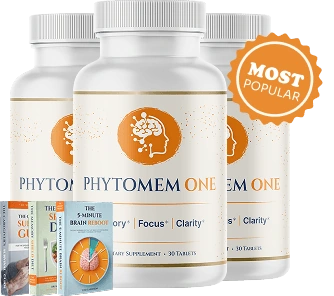
Phytomem One fits the “whole background” side of the question: it is a once-daily botanical tablet built to support the blood-sugar balance, circulation and antioxidant defences that keep the brain well fuelled, rather than to supply one isolated mineral. Its blend leads with saffron, among the more researched botanicals for mood and cognitive wellness, and Morosil Sicilian red orange, a polyphenol-rich citrus studied for metabolic wellness. Around those sit berberine and Ceylon cinnamon, both widely studied for healthy metabolism, plus olive leaf, brown-seaweed extracts, banaba and kudzu. For the full picture, see our deep dive on saffron and berberine for brain health or the homepage ingredients section.
See the exact dose in Phytomem One
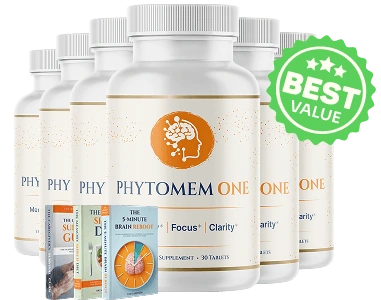
Rather than a single mineral, Phytomem One pairs saffron and Morosil red orange with a 10-in-1 botanical blend in one daily tablet. The six-bottle bundle is the best value at $49 per bottle, with free U.S. shipping and a 60-day guarantee.
Check today's Phytomem One pricing →Magnesium L-threonate vs Phytomem One: a side-by-side
A side-by-side comparison makes the trade-off concrete: one column is a precise single nutrient, the other a broad plant blend, and the “best” pick depends entirely on what your routine already includes. Use the table below to match the approach to your situation rather than to crown a universal winner.
| Consideration | Magnesium L-threonate | Phytomem One (botanical blend) |
|---|---|---|
| Type | Single essential mineral | 10-in-1 plant formula |
| Main aim | Raise brain magnesium | Support metabolic groundwork of focus |
| Best for | A known magnesium gap | Broad, food-style daily support |
| Evidence stage | Promising but early in humans | Ingredient-level research; not a cure |
| Dosing | Split doses, often 3× daily | One tablet a day |
| Watch-outs | Loose stools; kidney caution | Check with a doctor if on medication |
See how Phytomem One's blend compares →
Can you take magnesium and a botanical blend together?
In most cases you can take a mineral and a botanical blend together, because they work through different routes and are not competing for the same job. A person might use magnesium to close a dietary gap and support sleep, while relying on a blend like Phytomem One for the broader support behind daytime focus. The caveat is real, though: magnesium can interact with certain medications — some antibiotics and blood-pressure drugs among them — and stacking supplements makes total dose easy to lose track of. Run any combination past your doctor or pharmacist first.

How do you actually choose between them?
Choosing between a memory mineral and a botanical blend starts with one question: are you filling a known gap, or supporting the whole system? If a blood test or a magnesium-poor diet points to a shortfall, a well-absorbed magnesium — L-threonate among the options studied for cognition — is a logical, targeted fix. If instead you want a single daily step for the metabolic and antioxidant background your focus rides on, a plant blend fits better. Many readers land on a simple rule of thumb:
- Fix clear deficiencies first — a mineral gap is worth closing directly.
- Match the tool to the goal — single nutrient for a single need, blend for broad support.
- Keep the routine simple — the supplement you take consistently beats the perfect one you skip.
- Layer only with advice — combine a mineral and a blend after a quick word with your doctor.
For where a whole-food diet fits underneath either choice, see our guide to the best foods for brain health and memory, and compare packages and pricing if a botanical blend is the route you prefer.
When should you talk to a doctor?
Supplements are for supporting an already-healthy mind, not for treating a condition, and a quick medical conversation keeps anything you add safe. Speak with your doctor before starting magnesium or a botanical blend if you are pregnant or nursing, under 18, take any medication, have kidney concerns or another diagnosed condition, or notice persistent problems such as sudden confusion or marked memory loss. Magnesium is not suitable for everyone, and only a professional who knows your history can confirm the right choice and dose.
Frequently asked questions
What is magnesium L-threonate for memory?
Magnesium L-threonate is a form of the mineral magnesium bound to threonic acid, chosen in studies for how readily it raises magnesium levels in the brain. It is used as a single-nutrient supplement aimed at everyday memory and learning, and it is not a treatment for any disease.
Is magnesium L-threonate better than a botanical nootropic?
Neither is simply better; they solve different problems. Magnesium L-threonate corrects one specific mineral need, while a whole-botanical blend such as Phytomem One layers several plant compounds that support the metabolic groundwork of a sharp mind. The right choice depends on your diet, goals and what you already take.
Does Phytomem One contain magnesium L-threonate?
Phytomem One is a plant-forward formula built around saffron, Morosil red orange, berberine and Ceylon cinnamon rather than a standalone magnesium dose. Check the current label and the ingredients section on the homepage for the exact blend, since formulas can be updated.
Can I take magnesium L-threonate and Phytomem One together?
Many people pair a mineral with a botanical blend, since they work through different routes. Because magnesium can interact with some medications and other supplements, it is sensible to confirm the combination and total dose with your doctor or pharmacist first.
How long does magnesium L-threonate take to work?
Any mineral works gradually as your body's stores adjust, so most protocols run for several weeks before judging the effect on memory and focus. Botanicals build their support gradually too, and individual results vary.
Are there side effects to magnesium for the brain?
Magnesium is generally well tolerated, but higher doses can cause loose stools or stomach upset, and it is not suitable for everyone, particularly people with kidney concerns. Talk to a healthcare professional before starting if you take medication or have a diagnosed condition.
Try Phytomem One risk-free for 60 days →
Phytomem One is a dietary supplement, not a treatment for any medical condition. These statements have not been evaluated by the Food and Drug Administration. This product is not intended to diagnose, treat, cure or prevent any disease. Always consult a qualified healthcare professional about your individual needs.
References & further reading
- National Institutes of Health, Office of Dietary Supplements. Magnesium — Health Professional Fact Sheet. ods.od.nih.gov/factsheets/Magnesium-HealthProfessional
- Examine.com. Magnesium — evidence-based summary. examine.com/supplements/magnesium
- PubMed / U.S. National Library of Medicine. Magnesium L-threonate and cognition — research literature. pubmed.ncbi.nlm.nih.gov
- National Center for Complementary and Integrative Health (NCCIH). Dietary Supplements for Cognitive Function. nccih.nih.gov/health/cognitive-function
- Mayo Clinic. Magnesium supplement (oral route) — uses and precautions. mayoclinic.org
These references describe the ingredients and habits in general terms and do not constitute evidence that any product treats, cures or prevents any condition.
Keep reading: how saffron and berberine work · how to improve memory and focus naturally · the Phytomem One review · back to the blog.