Brain food vs brain supplements: the Phytomem One view
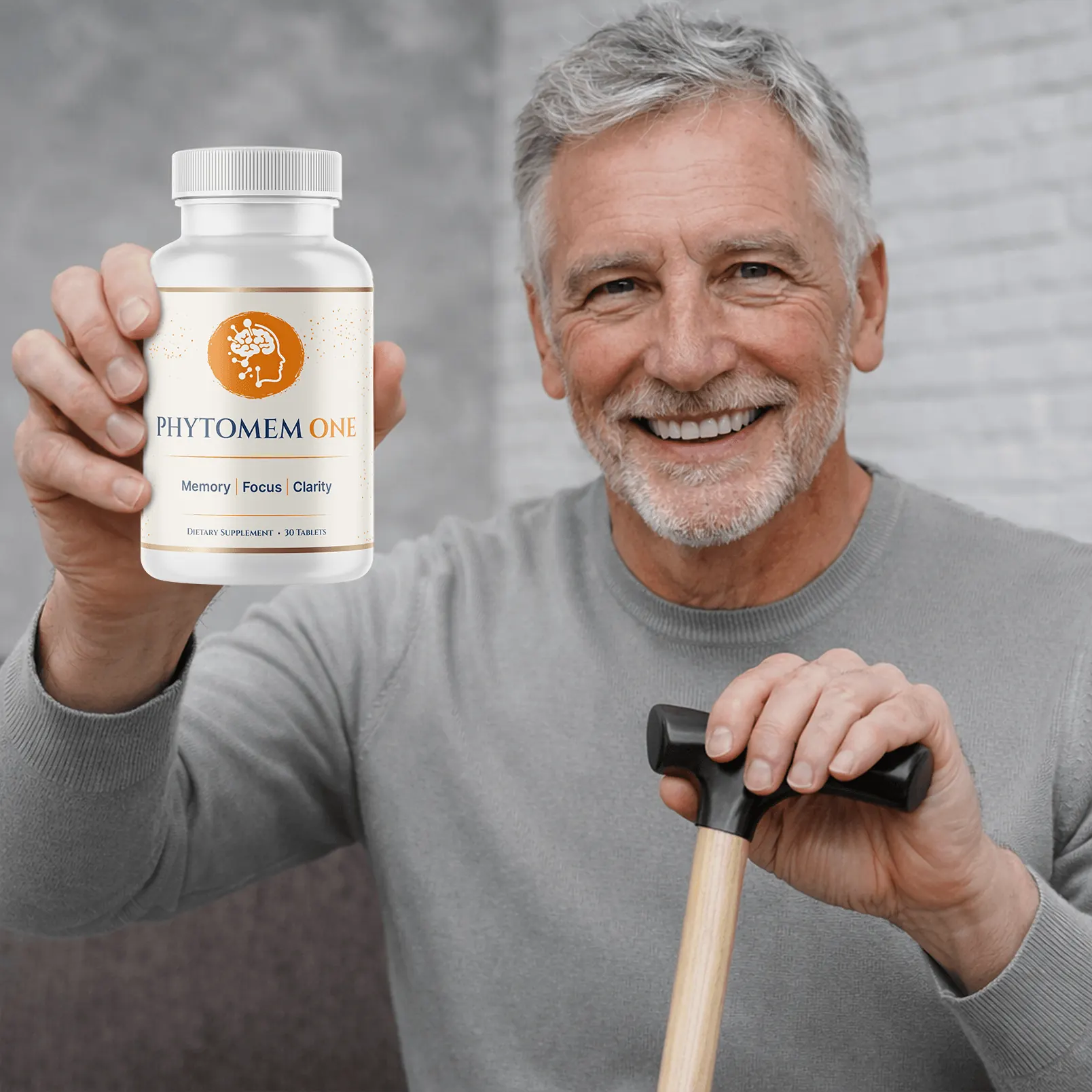
Updated September 2026 · reviewed by the Phytomem Research Team. We are an independent information resource, not a medical provider, and this article is educational rather than medical advice.
Brain food versus brain supplements is not a contest with a single winner: a whole-food, brain-healthy diet is the foundation that should always come first, while a brain supplement is a convenience layer that adds concentrated botanicals on top of real meals. The honest answer is that the best routine uses both — food doing the heavy lifting, and a formula like Phytomem One filling the daily gaps — never one instead of the other.
Diet or supplement? Here is the short, honest version.
- The verdict
- Food first. A brain supplement is an addition to a good diet, not a replacement for one.
- What food does best
- Whole foods supply fibre, omega-3 fats and thousands of compounds in a matrix no capsule can copy.
- What a supplement does best
- It delivers a consistent daily dose of specific botanicals — like saffron — that are hard to eat in quantity.
- Where Phytomem One fits
- A once-daily tablet that tops up the routine; it supports, and never treats, and is not a shortcut around real food.
Ask most people whether to fix their diet or take a supplement for their memory, and they hope the answer is one or the other — ideally the easier one. Reality is simpler: the two do different jobs, so the real question is not which to pick but how to layer them. This comparison sets a brain-healthy plate against the supplement aisle and shows where a formula like Phytomem One belongs in the stack.

What is the real difference between brain food and brain supplements?
Brain food is whole food eaten for its nutritional value to the brain, while a brain supplement is a concentrated dose of specific nutrients or botanicals in tablet form. They are not interchangeable. A plate of oily fish, leafy greens and berries delivers fibre, water, protein and thousands of compounds together, in a form your body evolved to process. A supplement isolates a handful of those compounds at a fixed, repeatable dose. One is broad and foundational; the other narrow and consistent.
Why can food do things a capsule cannot?
Whole foods work as a package, not a list of parts. The fats in a walnut arrive with fibre and micronutrients; the polyphenols in a berry come wrapped in the fruit’s natural matrix, which shapes how they are absorbed. Decades of nutrition research point the same way — dietary patterns, not single nutrients, track most closely with healthy cognitive ageing. That is why the sensible framing is food first.
Why does a supplement still earn a place?
The flip side is consistency. Even careful eaters rarely hit an ideal plate every day, and some well-studied botanicals — saffron is the classic example — are not something you eat in a meaningful amount at dinner. A daily supplement fixes both: the same dose regardless of a busy week, and a practical way to take a specific botanical at all.
Why should a brain-healthy diet come first?
A brain-healthy diet comes first because it is the only layer that can supply the full range of nutrients, fibre and energy the brain uses every day. The brain is energy-hungry, drawing a large share of your daily fuel even at rest, and it runs best on steady whole-food inputs rather than spikes of refined sugar. Mediterranean-style eating — vegetables, fruit, legumes, whole grains, olive oil and fish — is the pattern most consistently linked with sharper ageing, and no bottle reproduces it. For the full list, see our guide to the best foods for brain health and memory.
What are the best foods for memory?
The best foods for memory are the ones that recur in the research: leafy greens for folate, berries for polyphenols, oily fish for omega-3 fats, nuts for vitamin E, beans and whole grains for steady energy, and extra-virgin olive oil as the everyday fat. None is magic alone; the power is in the pattern. Eat this way most days and you have built the base layer a supplement can only add to.
| Brain food (diet) | Brain supplement | |
|---|---|---|
| Main job | Foundation — broad daily nutrition | Top-up — consistent focused dose |
| Delivers | Fibre, water, protein, thousands of compounds together | A few concentrated botanicals or nutrients |
| Strength | Whole-food matrix your body is built for | Same dose every day, no cooking required |
| Weakness | Hard to be perfect every single day | Narrow; cannot replace real meals |
| Best for | Long-term brain health baseline | Convenience, consistency, hard-to-eat botanicals |
Read the table as a division of labour, not a scoreboard: the left column is where the long-term work happens, the right is how you stay consistent and add botanicals a normal plate never includes.
See the exact dose in Phytomem One →
When do brain food supplements actually make sense?
Brain food supplements make sense when your diet already covers the basics and you want to add consistency or a specific botanical on top. They are a top-up for a good routine, not a rescue for a poor one. If weekdays are chaotic and an ideal plate is out of reach, a daily tablet keeps a floor under your intake. If you specifically want saffron or a red-orange polyphenol extract, a supplement is the only practical way to get a repeatable dose. And if you already eat well but want one deliberate habit that reinforces the effort, that is the gap a formula fills.
When does a supplement NOT make sense?
A supplement does not make sense as a substitute for fixing a diet built on ultra-processed food, sugary drinks and few plants. No capsule out-runs that, and treating a tablet as permission to eat poorly is the most common mistake in this category. Nor should you expect a supplement to treat, cure or prevent any medical condition — that is not what supplements do, and any product promising it deserves suspicion.
The convenience layer, made simple
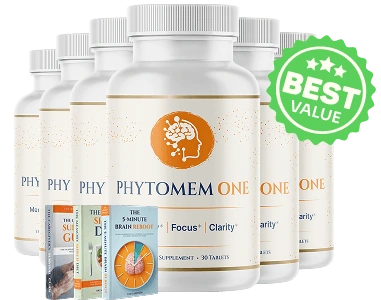
Phytomem One is a once-daily tablet pairing saffron and Morosil red orange with a 10-in-1 botanical blend — the practical way to add botanicals a normal plate never includes. The six-bottle bundle is the best value at $49 per bottle, with free U.S. shipping and a 60-day guarantee.
Check today’s Phytomem pricing — from $49/bottleDo supplements replace diet? The honest answer
Supplements do not replace a healthy diet, and any framing that suggests otherwise misreads what a supplement is. The clue is in the name: it adds to a foundation that must already be there. Whole food supplies the fibre, water, protein and vast web of compounds no isolated ingredient fully copies. A tablet cannot deliver that breadth — but “food first” does not mean “food only.” The layers cover each other’s gaps: food is the broad, irreplaceable base, and a supplement adds day-to-day consistency plus botanicals you would never eat in quantity. For a closer look at two of them, read our guide to saffron and berberine for brain health.
Where does Phytomem One fit as a convenience layer?
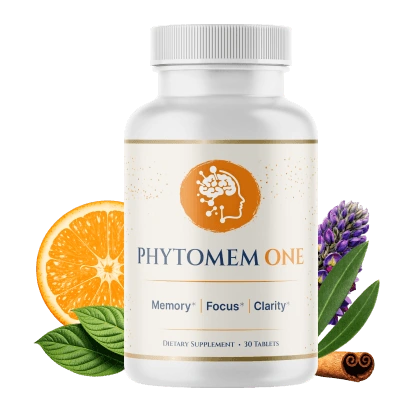
Phytomem One is designed as the convenience layer that sits on top of a brain-healthy diet, never as a stand-in for one. It is a once-daily tablet combining saffron, Morosil Sicilian red orange, berberine and Ceylon cinnamon with olive leaf, brown-seaweed extracts, banaba and kudzu. Several of those — saffron and the red-orange extract especially — you cannot eat in a useful amount at the dinner table, which is exactly why a concentrated daily dose is the practical route. It reinforces a good routine; it does not excuse a bad one. See the full breakdown in the ingredients section or our main Phytomem One review.
How do the ingredients map onto food?
The table below lines up each Phytomem One botanical against the food it echoes and why the supplement form helps — a map of where diet already covers you and where a tablet adds something a plate cannot.
| Phytomem One botanical | Closest food idea | Why the supplement form helps |
|---|---|---|
| Saffron | A pinch in cooking, rarely and in tiny amounts | Impractical to eat in a consistent daily dose from food alone. |
| Morosil red orange | Blood oranges in season | Delivers a standardised polyphenol dose year-round. |
| Olive leaf | Extra-virgin olive oil on the plate | Concentrates oleuropein beyond what the oil provides. |
| Ceylon cinnamon | A spice sprinkled on food | Provides a steady daily amount rather than an occasional dash. |
| Berberine | Not a common food at all | Only practically obtained as an extract. |
How do you combine food and supplements in one routine?
The best routine treats food as the base and the supplement as a single, repeatable habit stacked on top. Rather than choosing between the two, build the diet first and then add the tablet as the easy, automatic part:
- Build the plate first — greens, berries, oily fish, nuts, beans and olive oil most days.
- Cut the obvious drains — ultra-processed snacks and sugary drinks do more harm than any supplement can undo.
- Anchor the basics — consistent sleep and a daily walk matter more than any pill, as our guide to improving memory and focus naturally explains.
- Add one supplement, taken at the same time daily — for Phytomem One, one tablet with water.
- Give it time — diet and botanicals both build gradually, over weeks, and individual results vary.
When should you talk to a doctor?
A supplement supports an already-healthy routine; it is not a substitute for medical care. Speak with your doctor before adding any supplement if you are pregnant or nursing, under 18, take medication, or have a diagnosed condition — and seek advice promptly if you notice persistent or worsening problems such as sudden confusion or marked memory loss. A brief conversation makes sure anything you add, including Phytomem One, fits safely alongside your care.
Frequently asked questions
Is brain food or a brain supplement better?
Neither is a substitute for the other. A brain-healthy diet is the foundation and comes first; a brain supplement is a convenience layer that adds concentrated botanicals on top. The strongest routine uses both, not one instead of the other.
Do supplements replace a healthy diet?
No. Whole foods supply fibre, thousands of compounds and a food matrix that isolated capsules cannot copy, so a supplement is an addition to a good diet, not a shortcut around one.
What foods are best for memory?
Leafy greens, berries, oily fish, nuts, beans, whole grains and extra-virgin olive oil are among the most studied foods for memory. They supply omega-3 fats, polyphenols and steady energy, and anchor Mediterranean-style eating linked with healthy cognitive ageing.
When does a brain supplement make sense?
When your diet already covers the basics but you want a consistent daily dose of specific botanicals like saffron, or when a busy schedule makes an ideal plate hard to hit. It is a top-up for consistency, not a rescue for a poor diet.
What is in Phytomem One and how does it fit food?
Phytomem One is a once-daily tablet combining saffron, Morosil Sicilian red orange, berberine and Ceylon cinnamon with olive leaf, brown-seaweed extracts, banaba and kudzu. It concentrates botanicals that are hard to eat in quantity, so it sits on top of a brain-healthy diet rather than replacing any meal.
Can I stop eating well if I take a supplement?
No. A supplement cannot make up for a diet high in ultra-processed food and low in plants. The diet does the heavy lifting; the supplement only adds a focused daily dose on top. Diet first, supplement second is the honest order.
Add the convenience layer — try Phytomem One risk-free for 60 days →
Phytomem One is a dietary supplement, not a treatment for any medical condition. These statements have not been evaluated by the Food and Drug Administration. This product is not intended to diagnose, treat, cure or prevent any disease. Always consult a qualified healthcare professional about your individual needs.
References & further reading
- Harvard T.H. Chan School of Public Health. The Nutrition Source — Healthy Eating Plate and dietary patterns. hsph.harvard.edu/nutritionsource
- National Center for Complementary and Integrative Health (NCCIH). Dietary Supplements: What You Need to Know. nccih.nih.gov/health/dietary-supplements
- Mayo Clinic. Memory loss: 7 tips to improve your memory. mayoclinic.org/memory-loss
- Examine.com. Saffron (Crocus sativus) — evidence-based summary. examine.com/supplements/saffron
- PubMed / U.S. National Library of Medicine. Mediterranean diet and cognitive function — research literature. pubmed.ncbi.nlm.nih.gov
These references describe the ingredients and habits in general terms and do not constitute evidence that any product treats, cures or prevents any condition.
Keep reading: the best foods for brain health and memory · how to improve memory and focus naturally · saffron and berberine for brain health · the Phytomem One review.