Vitamins for memory: what Phytomem One adds in 2026
Updated September 2026 · reviewed by the Phytomem Research Team. We are an independent information resource, not a medical provider, and this article is educational rather than medical advice.
Vitamins for memory are the micronutrients your brain needs to work normally — chiefly the B vitamins, vitamin D and, to a lesser degree, vitamins E and C — and the evidence is clearest that they help when you are genuinely low in them, not that extra doses sharpen an already well-fed brain. This guide reviews the nutrients most often tied to recall, shows where the science is solid and where it is thin, and explains why a botanical formula like Phytomem One sits alongside those vitamins rather than replacing them.
Which vitamins matter for memory — the short, honest version.
- The strongest link
- B vitamins (B12, B6, folate) and vitamin D matter most — mainly by correcting a real deficiency.
- The honest limit
- In well-nourished people, extra vitamins have not been shown to reliably improve memory.
- Food comes first
- A varied whole-food diet supplies most memory nutrients in a form the body handles well.
- Where Phytomem One fits
- A once-daily botanical blend that sits alongside vitamins; it supports, never treats, and is not a cure.
Search “vitamins for memory” and you will find bold promises attached to almost every letter of the alphabet. The reality is narrower and more useful: a handful of vitamins are genuinely essential for how the brain works, a genuine shortfall in them can drag memory down, and fixing that shortfall can help. What the evidence does not support is the idea that piling extra vitamins onto an already-adequate diet turns an ordinary memory into a sharp one. Below we walk through the nutrients that keep coming up in research, rate how strong the evidence is, and show where a botanical formula like Phytomem One belongs in the picture.
Which vitamins are actually linked to memory?
The vitamins with the clearest link to memory are the B group — especially B12, B6 and folate (B9) — together with vitamin D, because each plays a defined role in nerve function, and a measurable deficiency in any of them can show up as poor concentration or forgetfulness. Vitamins E and C appear in the conversation too, mostly as antioxidants, but the evidence that they improve memory in healthy people is weak. The pattern across the research is consistent: these nutrients matter because the brain cannot run without them, not because more of them makes a healthy brain run faster.
Why do B vitamins matter for the brain?
B vitamins are essential cofactors for making neurotransmitters, maintaining the protective myelin around nerves, and keeping levels of homocysteine — an amino acid linked in some studies to cognitive decline — in check. A real B12 or folate deficiency can cause fatigue, low mood and genuine memory problems, and those often improve once the gap is corrected. The important caveat, repeated in large trials, is that giving high-dose B vitamins to people who are not deficient has not reliably improved memory. So the value of B vitamins for the brain is largely about fixing a shortfall, not boosting a normal level.
Where do vitamin D and vitamin E fit?
Vitamin D receptors are found throughout the brain, and low vitamin D is associated with poorer cognitive scores in observational studies, which is why correcting a deficiency — common in winter and in people who get little sun — is worth attention. Vitamin E is an antioxidant that has been studied in cognitive ageing, but results are mixed and high doses carry their own risks, so it is not a nutrient to megadose casually. In both cases the sensible reading is the same: cover a genuine gap, respect the upper limits, and do not expect a supplement to do more than the evidence says it can.

How strong is the evidence for memory vitamins?
The evidence for memory vitamins is strongest for deficiency correction and much weaker for enhancement in healthy people. That single distinction explains most of the confusion in this category: a study showing that treating a B12 deficiency helps memory is often reported as “B12 boosts memory,” which is not the same claim. The table below rates the common memory nutrients honestly — what they do, how strong the evidence is, and the everyday foods that supply them — so you can see where a supplement is genuinely useful and where it is mostly marketing.
| Nutrient | Its role for the brain | Strength of evidence | Everyday food sources |
|---|---|---|---|
| Vitamin B12 | Nerve health, myelin, homocysteine control | Strong for deficiency; weak as a booster | Meat, fish, eggs, dairy, fortified foods |
| Folate (B9) | Cell and neurotransmitter metabolism | Moderate; best when low | Leafy greens, beans, lentils |
| Vitamin B6 | Neurotransmitter synthesis | Moderate; supports B12/folate | Poultry, fish, potatoes, bananas |
| Vitamin D | Brain-wide receptors; mood and cognition | Moderate; correct a deficiency | Oily fish, egg yolk, sunlight, fortified |
| Vitamin E | Antioxidant defence | Weak and mixed; upper limits apply | Nuts, seeds, vegetable oils |
| Vitamin C | Antioxidant; supports blood vessels | Weak for memory specifically | Citrus, berries, peppers |
Read the table as a guide to expectations, not a shopping list. The nutrients near the top earn their place because a shortfall genuinely hurts; the ones near the bottom are worth getting from food but rarely worth chasing in high-dose pills. For the food-versus-pill trade-off in full, see our comparison of brain food versus brain supplements.
See the exact dose in Phytomem One →
Can vitamins really improve recall — or reverse memory loss?
Vitamins can improve recall when a deficiency was holding it back, but they cannot reverse memory loss driven by disease, and no supplement should be sold or taken as a treatment for a diagnosed condition. This is the line that matters most for anyone shopping for “memory vitamins.” If low B12 or vitamin D is the cause of a foggy patch, restoring normal levels can help — sometimes noticeably. But age-related decline and medical memory disorders are not simple vitamin shortages, and treating them as such delays the assessment a doctor should make. The nutrients for recall are real; the miracle-cure framing around them is not.
What about “memory nutrition” beyond vitamins?
Memory nutrition is broader than the vitamin shelf. Omega-3 fats from oily fish, polyphenols from berries and olive oil, and steady blood-sugar control from whole grains and legumes all feature in the dietary patterns linked with healthier cognitive ageing. This is why the Mediterranean-style plate keeps outperforming any single pill in the research — it delivers dozens of these compounds together, in a food matrix no capsule copies. If you want the practical version, our guide to improving memory and focus naturally covers the habits that matter most.
Botanicals your vitamins do not cover
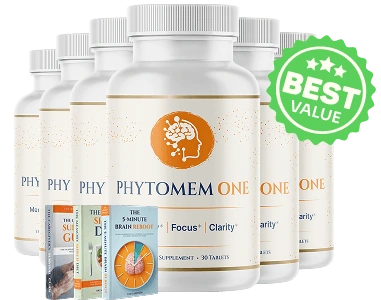
Phytomem One is a once-daily tablet pairing saffron and Morosil red orange with a 10-in-1 botanical blend — plant compounds you cannot practically eat in quantity, sitting alongside the vitamins you already get from food. The six-bottle bundle is the best value at $49 per bottle, with free U.S. shipping and a 60-day guarantee.
Check today’s Phytomem pricing — from $49/bottleDo you get enough memory vitamins from food?
Most people who eat a varied diet get enough of the vitamins linked to memory from food alone, which is why a blanket “memory multivitamin” is unnecessary for many. The clear exceptions are worth knowing: B12 is found almost entirely in animal foods, so vegans and many older adults (who absorb it less well) are at real risk of running low; folate can fall short on a plant-poor diet; and vitamin D is genuinely hard to get from food in darker months. These are the gaps a targeted supplement is designed for — a specific fix for a specific shortfall, confirmed where possible by a blood test, rather than a scattergun of high-dose everything.
When does a memory supplement make sense?
A memory supplement makes sense in two situations: to cover a known nutritional gap, and to add specific compounds you cannot easily eat. A vegan taking B12, or someone low on vitamin D through winter, is using a supplement exactly as intended. Separately, some of the most-studied brain botanicals — saffron is the classic example — are simply not something you consume in a useful daily amount from cooking. That second gap is where a botanical formula earns its place, and it is a different job from the one a vitamin does.
| Your situation | Most likely gap | Sensible step |
|---|---|---|
| Varied omnivore diet | Usually none | Food first; test before supplementing |
| Vegan or vegetarian | Vitamin B12 (and sometimes B6) | Reliable B12 supplement |
| Little sun / winter months | Vitamin D | Vitamin D per your doctor’s guidance |
| Older adult | B12 absorption declines | Check levels; supplement if low |
| Want studied botanicals | Saffron, red-orange polyphenols | A once-daily botanical formula |
Where does Phytomem One fit alongside memory vitamins?
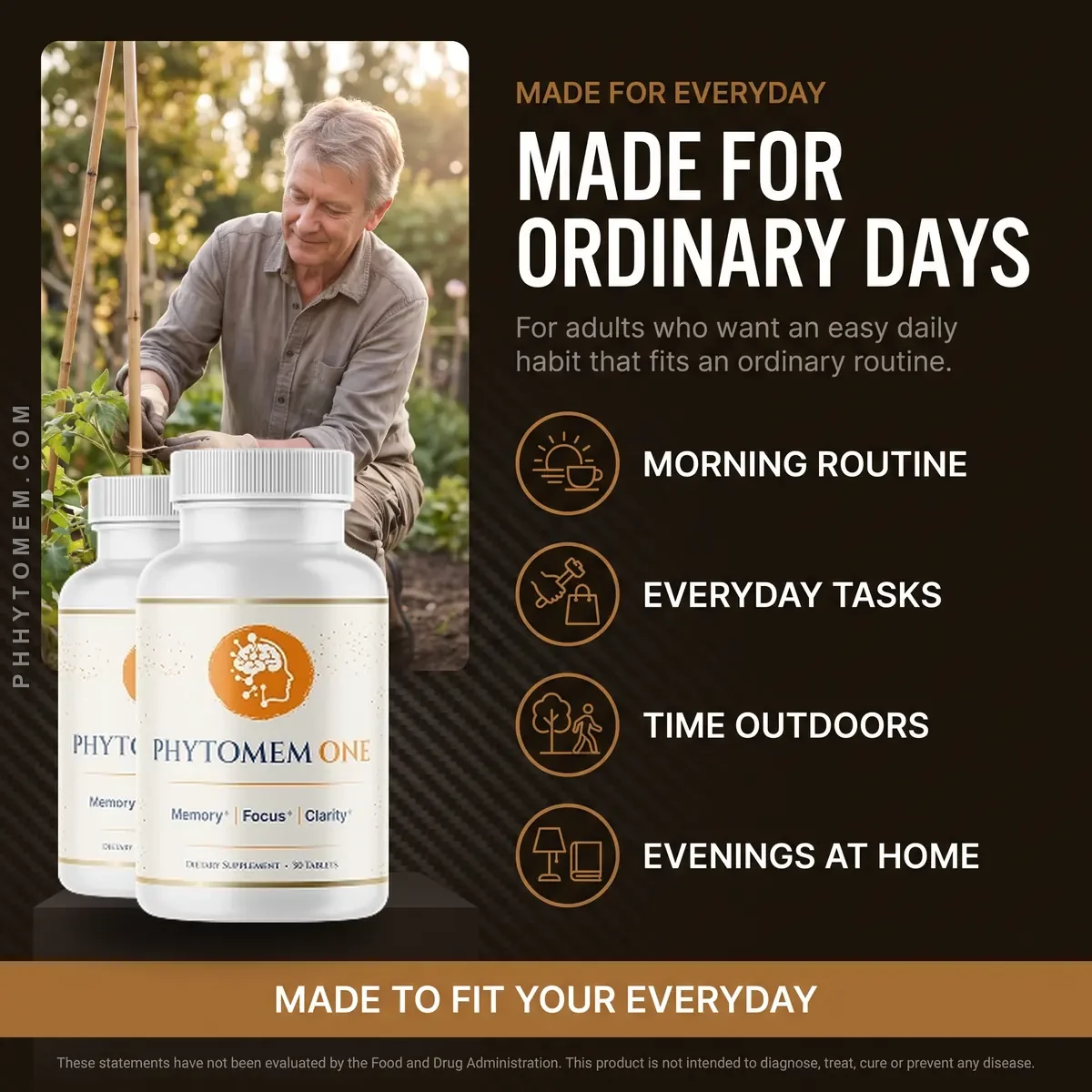
Phytomem One is a botanical formula that sits alongside your vitamins, not a vitamin megadose that competes with them. It is a once-daily tablet combining saffron, Morosil Sicilian red orange, berberine and Ceylon cinnamon with olive leaf, brown-seaweed extracts, banaba and kudzu — plant compounds chosen because they are hard to eat in a meaningful amount every day. That makes it a complement to a good diet and to any vitamins you genuinely need: the food and the vitamins cover your nutritional bases, and the botanicals add something a normal plate never includes. It supports a healthy routine; it does not treat, cure or replace medical care. You can see the full breakdown in the ingredients section or in our main Phytomem One review.
How do you build vitamins and botanicals into one routine?
The best routine puts food at the base, uses vitamins to patch confirmed gaps, and treats a botanical formula as one simple daily habit on top. In order:
- Eat the pattern first — greens, berries, oily fish, nuts, beans and olive oil most days for broad memory nutrition.
- Fix known gaps — B12 if you are plant-based, vitamin D in winter, ideally confirmed by a blood test.
- Respect the limits — more is not better; fat-soluble vitamins (A, D, E) can build up at high doses.
- Add one botanical habit — for Phytomem One, a single tablet with water at the same time each day.
- Give it time — nutrition and botanicals both build gradually over weeks, and individual results vary.
When should you talk to a doctor?
A supplement supports an already-healthy routine and is not a substitute for medical care. Speak with your doctor before adding any vitamin or botanical if you are pregnant or nursing, under 18, take any medication, or have a diagnosed condition — and seek advice promptly if you notice persistent or worsening problems such as sudden confusion, marked memory loss, or changes that interfere with daily life. A blood test is the only way to confirm a real vitamin deficiency, and a brief conversation makes sure anything you add, including Phytomem One, fits safely alongside your care.
Frequently asked questions
Which vitamins are best for memory?
The vitamins most consistently tied to memory are the B vitamins - especially B12, B6 and folate - along with vitamin D. These matter most when you are actually low in them, because correcting a genuine deficiency can help how the brain works, while extra vitamins on top of an already-adequate diet show little reliable benefit for healthy people.
Do B vitamins really help the brain?
B vitamins are essential for normal brain function and nerve health, and a real deficiency in B12 or folate can cause memory problems that often improve once the shortfall is corrected. In people who are not deficient, however, taking high-dose B vitamins has not been shown to reliably improve memory, so the benefit is mostly about fixing a gap rather than boosting a normal level.
Can vitamins reverse memory loss?
No. Vitamins cannot reverse memory loss caused by disease, and no supplement should be treated as a treatment for a diagnosed condition. Where memory problems are driven by a specific vitamin deficiency, correcting that deficiency can help, but that is different from a pill undoing age-related or medical memory decline. Persistent or worsening memory loss should always be assessed by a doctor.
Should I take a memory vitamin or eat better?
Food comes first. A varied whole-food diet supplies most of the vitamins linked to memory in a form your body handles well, so fixing the plate does more than any single pill. A supplement makes sense to cover a known gap - such as B12 on a plant-based diet or vitamin D in winter - or to add specific botanicals you cannot easily eat, rather than as a replacement for eating well.
How is Phytomem One different from a memory multivitamin?
Phytomem One is a once-daily botanical formula rather than a vitamin megadose. It brings together saffron, Morosil Sicilian red orange, berberine and Ceylon cinnamon with olive leaf, brown-seaweed extracts, banaba and kudzu - plant compounds that are hard to eat in quantity - so it is designed to sit alongside a good diet and any vitamins you already need, not to replace them.
Are memory vitamins safe to take every day?
Most B vitamins and vitamin D are considered safe at sensible daily doses, but fat-soluble vitamins such as A, D and E can build up and cause harm at very high intakes, so more is not better. Speak with your doctor before adding any supplement if you are pregnant or nursing, take medication or have a health condition, and stick to labelled doses rather than stacking multiple high-strength products.
Add the botanical layer — try Phytomem One risk-free for 60 days →
Phytomem One is a dietary supplement, not a treatment for any medical condition. These statements have not been evaluated by the Food and Drug Administration. This product is not intended to diagnose, treat, cure or prevent any disease. Always consult a qualified healthcare professional about your individual needs.
References & further reading
- National Institutes of Health, Office of Dietary Supplements. Vitamin B12 — Fact Sheet for Health Professionals. ods.od.nih.gov/factsheets/VitaminB12
- National Institutes of Health, Office of Dietary Supplements. Vitamin D — Fact Sheet for Health Professionals. ods.od.nih.gov/factsheets/VitaminD
- National Center for Complementary and Integrative Health (NCCIH). Dietary Supplements: What You Need to Know. nccih.nih.gov/health/dietary-supplements
- Mayo Clinic. Memory loss: 7 tips to improve your memory. mayoclinic.org/memory-loss
- PubMed / U.S. National Library of Medicine. B vitamins, homocysteine and cognitive function — research literature. pubmed.ncbi.nlm.nih.gov
- Examine.com. Vitamins and cognition — evidence-based summaries. examine.com/supplements/vitamin-b12
These references describe the nutrients and habits in general terms and do not constitute evidence that any product treats, cures or prevents any condition.
Keep reading: brain food vs brain supplements · how to improve memory and focus naturally · the best foods for brain health and memory · the Phytomem One review.