Omega 3 for brain health vs Phytomem One botanicals: complements, not rivals
Updated August 2026 · reviewed by the Phytomem Research Team. We are an independent information resource, not a medical provider, and this article is educational rather than medical advice.
Omega 3 for brain health means the long-chain fats — chiefly DHA and EPA — that build and maintain the membranes of your brain cells, most of which your body cannot make in sufficient amounts and must get from food. Polyphenol botanicals, the plant compounds in a formula like Phytomem One, do a different job: they add antioxidant and metabolic support. The honest picture is that they are complements, not rivals.
Omega-3 versus botanicals for the brain, settled in one box.
- What omega-3 does
- DHA and EPA are structural fats that build brain-cell membranes; a diet with enough of them is linked to better long-term brain wellness.
- What botanicals add
- Polyphenols such as saffron, olive leaf and Morosil red orange supply antioxidant plant compounds and metabolic support — a different lane entirely.
- Rivals or partners?
- Partners. They address different needs, so most people who use both are covering fats and polyphenols at once.
- Does Phytomem One have fish oil?
- No. It is a botanical formula with no omega-3, so it sits alongside your fish or fish-oil intake rather than duplicating it.
Ask which single supplement is best for the brain and you meet two camps: the omega-3 believers and the botanical enthusiasts. The argument is mostly a category error, because the two answer different questions. One is about the raw material your brain is built from; the other is about the plant compounds that help the surrounding machinery run smoothly. This guide explains what omega-3 does, how DHA differs from EPA, and how a formula like Phytomem One is designed to complement — never replace — the fats on your plate.

What is omega 3 for brain health, exactly?
Omega-3 for brain health refers to a family of polyunsaturated fatty acids — primarily DHA (docosahexaenoic acid) and EPA (eicosapentaenoic acid) — that the brain uses as structural material and signalling support. DHA alone makes up a large share of the fat in the grey matter of the brain and in the retina of the eye, which is why it is so closely tied to vision and cognition. Because the body cannot manufacture these fats efficiently, they are considered essential: they have to arrive through diet or a supplement. The richest sources are oily fish such as salmon, sardines and mackerel, with plant precursors in walnuts, flax and chia and a fish-free option in algae oil.
Why does DHA matter for memory and focus?
DHA matters because it is the omega-3 most concentrated in brain tissue, where it keeps cell membranes fluid enough for neurons to communicate. When the membrane around a brain cell holds the right fats, the receptors and channels embedded in it work as they should — the physical basis of clear signalling. Population studies have repeatedly linked higher long-term omega-3 intake with better markers of brain wellness in later life, though to be candid, association is not proof, and single-supplement trials in already well-nourished people have been mixed.
Is DHA different from EPA?
Yes. DHA is the more structural, brain-focused fatty acid, packed into the membranes of neurons; EPA is studied more for mood and the body's inflammatory balance. Most fish-oil and algae products supply both in varying ratios, and for general brain wellness the practical takeaway is simply to get an adequate amount of each rather than to obsess over the exact split.
Can you get enough from food alone?
For many people, yes. Two servings of oily fish a week is the classic benchmark, and it delivers a meaningful dose of DHA and EPA without any capsule at all. Those who rarely eat fish — including vegetarians and vegans — are the ones most likely to fall short, and an algae-based omega-3 is the usual fish-free way to close that gap.
How is omega 3 different from polyphenol botanicals?
The clearest way to think about it is raw material versus support crew. Omega-3s are structural fats the brain is built from; polyphenol botanicals are antioxidant plant compounds that help protect and fuel the tissue around them. This is the heart of the “brain fats vs polyphenols” question, and the table below lays the two side by side so the contrast is obvious.
| Omega-3 (fish oil & DHA) | Polyphenol botanicals | |
|---|---|---|
| What it is | Essential long-chain fats, mainly DHA and EPA | Antioxidant plant compounds — e.g. saffron, olive-leaf oleuropein, Morosil |
| Main role | Builds and maintains brain-cell membranes | Adds antioxidant and metabolic support around the cells |
| Top sources | Oily fish, algae oil, walnuts, flax | Colourful fruits, spices, olive leaf, citrus extracts |
| Found in Phytomem One? | No — it contains no fish oil | Yes — this is the core of the formula |
| Best thought of as | The structural foundation | The complementary support layer |
Notice the last two rows. Phytomem One deliberately occupies the polyphenol lane — it does not try to be a fish-oil capsule. That is why the two never truly compete on your shelf: covering one leaves the other still worth covering.
Cover the polyphenol side
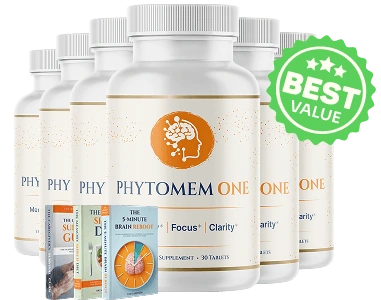
Keep your omega-3 coming from fish or an algae capsule, then let Phytomem One handle the plant compounds — saffron, Morosil red orange, berberine and more, in one daily tablet. See the exact dose in Phytomem One; the six-bottle bundle is best value at $49 per bottle, with free U.S. shipping and a 60-day guarantee.
Check today's Phytomem One pricing — from $49/bottleDo omega 3 and botanicals compete or complement each other?
They complement each other, because each addresses a need the other leaves open. Think of building a house: omega-3 is the timber and brick the structure is made of, while polyphenols are closer to the weatherproofing that keeps it sound over time. You would not argue that bricks make paint pointless. In the same spirit, an omega-3-rich diet and a polyphenol blend such as saffron and berberine are usually stacked, not swapped — both sitting on the same foundation of sleep, movement and whole food covered in our guide to improving memory and focus naturally.
See the exact botanical dose in Phytomem One →
How much omega 3 do you need — and where does Phytomem One fit?
A common wellness benchmark for healthy adults is roughly 250 to 500 mg of combined EPA and DHA per day, an amount two weekly servings of oily fish comfortably supply. Phytomem One fits outside that number entirely: it carries no omega-3, so it neither adds to nor competes with your fish or algae intake. Its job is the polyphenol layer. The table below shows how to think about covering both lanes.
| Need | How to cover it | Typical everyday amount |
|---|---|---|
| Structural fats (DHA/EPA) | Oily fish, or a fish/algae oil capsule | ~250–500 mg EPA+DHA daily |
| Plant polyphenols | Colourful produce, spices — or Phytomem One | One daily tablet plus a varied diet |
| Whole-diet foundation | Vegetables, greens, nuts, olive oil | Most meals, most days |
| Lifestyle base | Sleep, movement, mental challenge | Daily — the biggest lever of all |
In other words, the smart move is not omega-3 or botanicals; it is a diet that supplies the fats plus a routine that covers the polyphenols. For a full breakdown of what goes into the tablet, see the Phytomem One ingredients section, and to read our overall verdict start with the Phytomem One review on the homepage.
Who should be cautious with fish oil and omega 3?
Omega-3 is well tolerated by most people, but caution is sensible in a few situations, and neither fish oil nor any botanical is a treatment for a diagnosed condition. Higher-dose fish oil can thin the blood, so anyone on anticoagulant or antiplatelet medication, or facing surgery, should speak with a doctor first. The same applies if you are pregnant or nursing, under 18, manage a chronic illness, or take prescription medicines — the right moment to ask about adding a blend like Phytomem One. Supplements support an already-healthy brain; persistent or worsening memory problems warrant a medical assessment, not a trip to the supplement aisle.
Frequently asked questions
Is omega 3 or fish oil good for brain health?
Omega-3 fatty acids, especially DHA, are structural building blocks of brain cell membranes, and a diet with enough of them is widely associated with better long-term brain wellness. Fish oil is a convenient concentrated source. It supports an already-healthy brain rather than treating any condition, and results depend on your whole diet and habits.
What is the difference between DHA and EPA for the brain?
DHA is the omega-3 most concentrated in brain and eye tissue and is considered the more structural, brain-focused fatty acid. EPA is studied more for mood and the body's inflammatory balance. Most fish-oil and algae supplements supply both, and the brain benefits from having each present.
Is omega 3 better than herbal brain supplements?
Neither is strictly better because they do different jobs. Omega-3 supplies structural brain fats, while polyphenol botanicals such as saffron, olive leaf and Morosil red orange add antioxidant plant compounds and metabolic support. Most evidence treats them as complements, and many people include both.
Can I take fish oil and Phytomem One together?
For most healthy adults the two are addressing different needs - fats versus polyphenols - so they are commonly used together. Phytomem One does not contain fish oil, so it will not duplicate an omega-3 supplement. If you take blood thinners or any medication, ask your doctor before combining supplements.
How much omega 3 do I need for memory?
General wellness guidance often points to roughly 250 to 500 mg of combined EPA and DHA per day for healthy adults, achievable from two servings of oily fish a week or a supplement. Higher intakes should be discussed with a doctor. Omega-3 supports memory as part of an overall diet, not as a stand-alone fix.
Does Phytomem One contain omega 3 or fish oil?
No. Phytomem One is a botanical formula built on saffron, Morosil red orange, berberine, Ceylon cinnamon and other plant extracts, and it contains no fish oil. It is designed to sit alongside a good diet - including omega-3 foods - rather than to replace them.
Try Phytomem One risk-free for 60 days →
Phytomem One is a dietary supplement, not a treatment for any medical condition. These statements have not been evaluated by the Food and Drug Administration. This product is not intended to diagnose, treat, cure or prevent any disease. Always consult a qualified healthcare professional about your individual needs.
References & further reading
- National Institutes of Health, Office of Dietary Supplements. Omega-3 Fatty Acids — Fact Sheet for Health Professionals. ods.od.nih.gov/factsheets/Omega3FattyAcids-HealthProfessional
- National Center for Complementary and Integrative Health (NCCIH). Omega-3 Supplements: In Depth. nccih.nih.gov/health/omega3-supplements-in-depth
- Examine.com. Fish Oil — evidence-based summary. examine.com/supplements/fish-oil
- Mayo Clinic. Omega-3 in fish: How eating fish helps your heart. mayoclinic.org/omega-3
- PubMed / U.S. National Library of Medicine. DHA and cognition — research literature. pubmed.ncbi.nlm.nih.gov
These references describe omega-3 and the botanical ingredients in general terms and do not constitute evidence that any product treats, cures or prevents any condition.
Keep reading: the best foods for brain health and memory · how saffron and berberine work · improve memory and focus naturally · back to the Phytomem One blog · homepage.