Fucoxanthin brown seaweed benefits: the marine carotenoid inside Phytomem One
Published August 2026 · reviewed by the Phytomem Research Team. We are an independent information resource, not a medical provider, and this article is educational rather than medical advice.
Fucoxanthin brown seaweed benefits centre on one thing: fucoxanthin is a marine carotenoid pigment found in edible brown seaweeds such as wakame, kombu and mozuku, and it is studied mainly as an antioxidant and a small contributor to metabolic wellness. Alongside its companion compound fucoidan, it is one of the reasons the Japanese coastal diet has long fascinated nutrition researchers — and it is one of the botanicals folded into Phytomem One.
What fucoxanthin is, and why brown seaweed keeps coming up in wellness circles.
- What it is
- Fucoxanthin is a fat-soluble carotenoid that gives brown seaweed its olive-brown tint; fucoidan is the sulfated fibre from the same plants.
- Main role
- Both are studied for antioxidant activity — helping the body’s normal defences against everyday oxidative stress.
- Heritage
- They are staples of the Japanese coastal diet, a pattern linked in population studies to healthy ageing.
- Where it fits
- In Phytomem One, brown-seaweed extract is one botanical in a 10-in-1 blend — a supporting player, not a stand-alone cure.
Walk any coastal market in Japan and seaweed is everywhere: sheets of nori, ribbons of wakame in miso soup, thick fronds of kombu. For centuries this was simply food. Only recently did researchers isolate the compounds that make brown seaweed distinctive — and two names now dominate the conversation: fucoxanthin, the pigment, and fucoidan, the fibre. This guide explains what each one is, what the evidence honestly supports, and how brown-seaweed extract earns its place in a daily formula like Phytomem One.

What is fucoxanthin, and why is it called a marine carotenoid antioxidant?
Fucoxanthin is a fat-soluble carotenoid pigment found almost exclusively in brown seaweeds and certain microalgae, where it drives photosynthesis and gives the plants their characteristic olive-brown colour. Carotenoids are the same broad family that colours carrots orange and tomatoes red, and like its land-based cousins fucoxanthin acts as an antioxidant — a molecule that helps neutralise the reactive by-products of normal metabolism. What makes it a “marine” carotenoid is simply its source and its unusual chemical structure, which differs from the beta-carotene found in vegetables. In the diet it arrives bundled inside the seaweed itself, which is why traditional seaweed-eating cultures were consuming it long before anyone had a name for it.
What are the two brown-seaweed compounds in Phytomem One?
Brown seaweed contributes two distinct compounds worth knowing about, and they are often confused because they come from the same plant. Fucoxanthin is the fat-soluble pigment; fucoidan is a water-soluble, sulfated polysaccharide — essentially a specialised dietary fibre. They behave very differently in the body and are studied for different reasons, so it helps to keep them separate.
| Compound | What it is | Why it is studied |
|---|---|---|
| Fucoxanthin | Fat-soluble carotenoid pigment | Antioxidant activity and a small, much-discussed role in metabolic and fat-metabolism wellness. |
| Fucoidan | Sulfated polysaccharide (soluble fibre) | Studied for immune-signalling and gut-related wellness; a prebiotic-style fibre. |
| Natural iodine | Trace mineral in the seaweed | Supports normal thyroid function — but also the reason to be cautious with high doses. |
What are fucoidan benefits specifically?
Fucoidan benefits are studied mainly around immune signalling and gut wellness, because as a sulfated fibre it interacts with the gut lining and the microbiome rather than being absorbed like a nutrient. Laboratory and early human research has explored fucoidan for its role in supporting normal immune balance, and because it is a fermentable fibre it may act as food for beneficial gut bacteria. The evidence here is genuinely promising but still early: most of the strongest data come from cell and animal studies, and human trials remain limited in size. That is the honest picture — interesting, biologically plausible, and not yet grounds for any medical claim.
Why is Japanese seaweed nutrition linked to healthy ageing?
Japanese seaweed nutrition is often cited in longevity research because seaweed sits inside a wider dietary pattern — the traditional coastal diet — that is rich in oily fish, vegetables, soy, green tea and fermented foods, and low in ultra-processed products. Population studies of regions such as Okinawa have long associated this pattern with healthy ageing, and seaweed is one of its signature components. It is important to read that carefully: the association is with the whole diet and lifestyle, not with fucoxanthin in isolation. Seaweed contributes antioxidants, minerals and fibre to a pattern that already stacks many good habits together. No serious researcher claims that eating seaweed alone explains longevity — but few would leave it off the list of foods worth including.
This is exactly how we think about brown seaweed in a supplement, too. It is a supporting antioxidant botanical within a broader routine of sleep, movement and a colourful diet — the same foundations we cover in our guide to improving memory and focus naturally.
See the exact dose in Phytomem One →
How does sea kelp extract compare to other brown seaweeds?
Sea kelp extract is simply a brown seaweed extract drawn from the kelp family — large brown seaweeds such as Laminaria and Undaria — and it can supply the same fucoxanthin, fucoidan and natural iodine found across the group. The differences between species matter more than the marketing names. Wakame (Undaria pinnatifida) is one of the richest studied sources of fucoxanthin, while some kelps are prized instead for their iodine and mineral content. Because compound levels swing widely by species, harvest season and extraction method, two products both labelled “sea kelp extract” can differ substantially in what they actually deliver. This is why a reputable formula specifies its seaweed source and why the supplement facts panel matters more than a generic ingredient name.
| Source | Common name | Best known for |
|---|---|---|
| Undaria pinnatifida | Wakame | A leading dietary source of fucoxanthin. |
| Laminaria / Saccharina | Kombu / kelp | Fucoidan, natural iodine and umami minerals. |
| Cladosiphon okamuranus | Mozuku | One of the richest studied sources of fucoidan. |
| Fucus vesiculosus | Bladderwrack | A traditional European brown seaweed, high in iodine. |
How does brown seaweed fit into Phytomem One?
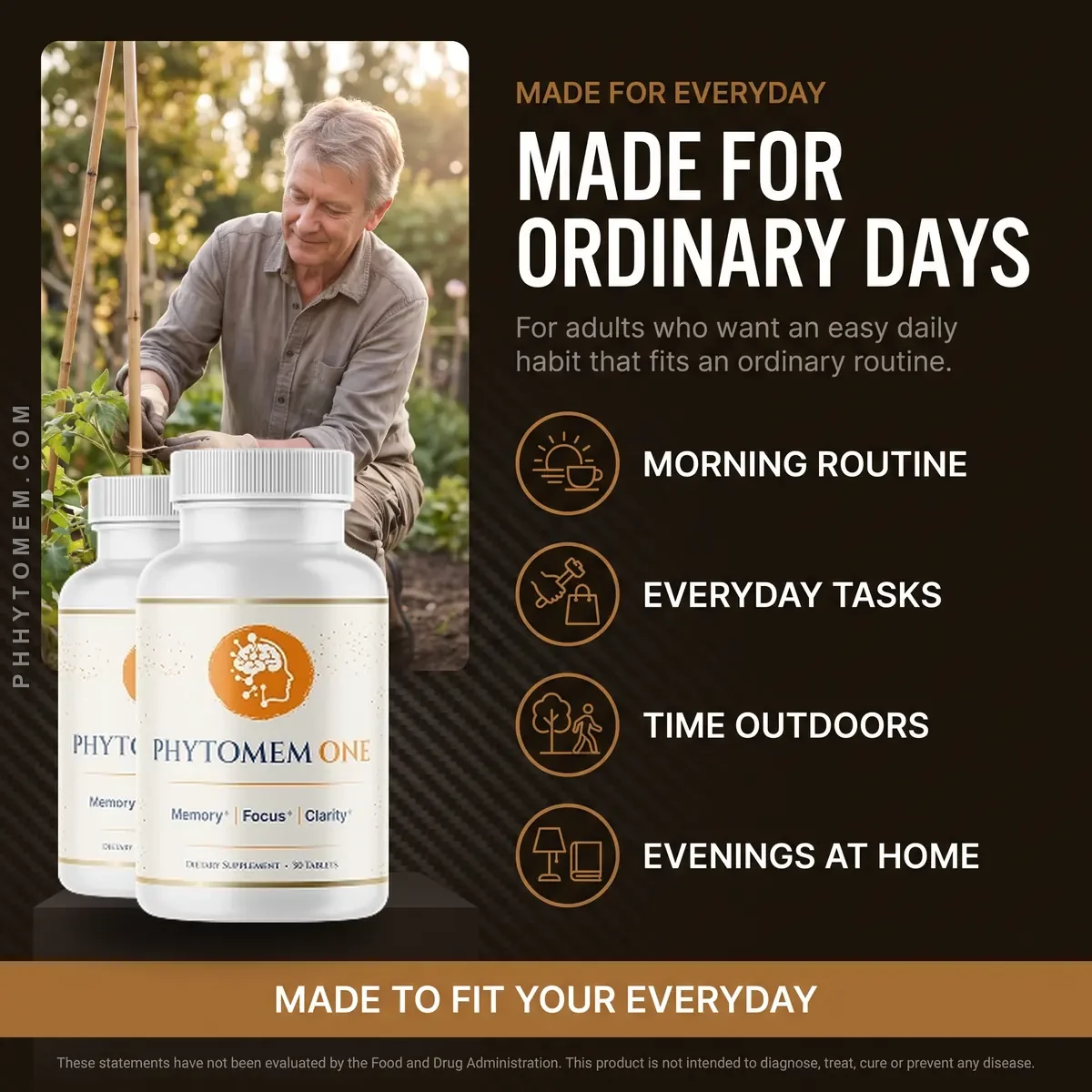
In Phytomem One, brown-seaweed extract is one botanical within a 10-in-1 daily blend, sitting alongside saffron, Morosil Sicilian red orange, berberine, Ceylon cinnamon, olive leaf, banaba and kudzu. The logic is a stack, not a hero ingredient: several well-studied plant compounds, each contributing a modest, complementary role, taken as a single once-daily tablet. Fucoxanthin adds a marine carotenoid antioxidant to a formula already rich in polyphenols from red orange and olive leaf. If you want to see how the pieces work together, our companion article on saffron and berberine for brain health walks through the two headline botanicals, and the full list lives in the ingredients section on the homepage.
Marine botanicals, once a day
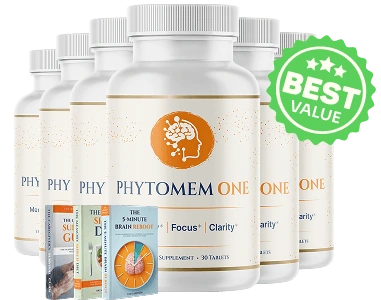
Phytomem One folds brown-seaweed extract into a 10-in-1 botanical tablet with saffron and Morosil red orange. The six-bottle bundle is the best value at $49 per bottle, with free U.S. shipping and a 60-day guarantee.
Check today’s Phytomem pricing — from $49/bottleWhat does the evidence honestly support — and what it does not?
The honest evidence picture for fucoxanthin is one of promise tempered by early-stage research. Most enthusiasm traces back to laboratory and animal studies, where fucoxanthin shows antioxidant activity and some intriguing effects on fat metabolism. Human trials are relatively few and small, with mixed results. So fucoxanthin is best described as a well-studied antioxidant dietary compound with encouraging early signals — not a proven treatment for weight, memory or any medical condition. The same caution applies to fucoidan. Reputable summaries from bodies like the U.S. National Institutes of Health and independent reviewers such as Examine.com make the same point: interesting, worth including in a varied diet, but not a substitute for medical care.
Are there any cautions with brown seaweed extract?
The main caution with concentrated brown seaweed is iodine. Brown seaweeds naturally concentrate iodine from seawater, and while iodine is an essential mineral, too much can disturb thyroid function in sensitive people. For that reason, anyone with a thyroid condition, anyone pregnant or nursing, and anyone taking thyroid or blood-thinning medication should speak to a doctor before using concentrated seaweed extracts. Whole-diet amounts of seaweed — a bowl of miso soup, a seaweed salad — are generally well tolerated, and a formulated supplement uses measured amounts rather than raw seaweed. As with any supplement, the safest step is a quick conversation with your own clinician about how it fits your situation.
Frequently asked questions
What are fucoxanthin brown seaweed benefits?
Fucoxanthin is a marine carotenoid found in edible brown seaweeds such as wakame and kombu, and it is studied mainly for its antioxidant activity and its role in the traditional Japanese coastal diet. It is a dietary compound that supports normal cellular defence against oxidative stress, not a treatment for any disease.
What is the difference between fucoxanthin and fucoidan?
Fucoxanthin is a fat-soluble carotenoid pigment that gives brown seaweed its olive-brown colour, while fucoidan is a sulfated polysaccharide fibre from the same seaweeds. Fucoxanthin is studied as an antioxidant and metabolic-support compound, and fucoidan is studied for immune and gut-related wellness.
Is sea kelp extract the same as brown seaweed extract?
Kelp is one large family of brown seaweeds, so sea kelp extract is a type of brown seaweed extract. Both can supply fucoxanthin and fucoidan, along with natural iodine, though the exact compound levels vary by species and how the extract is prepared.
How much fucoxanthin is in Phytomem One?
Phytomem One includes brown-seaweed extract as one botanical within its 10-in-1 blend alongside saffron, Morosil red orange, berberine and Ceylon cinnamon. For the exact amount per serving, check the supplement facts panel on the product page, as botanical doses vary by batch and label.
Does Japanese seaweed nutrition really help the brain?
The Japanese coastal diet is rich in seaweed, oily fish and vegetables, a pattern associated with healthy ageing in population studies. Seaweed compounds like fucoxanthin contribute antioxidants to that pattern, but no single food or extract can be said to improve the brain on its own.
Who should be cautious with brown seaweed extract?
Because brown seaweed is naturally high in iodine, people with thyroid conditions, those who are pregnant or nursing, and anyone taking blood-thinning or thyroid medication should ask a doctor before using concentrated seaweed extracts. Whole-diet amounts of seaweed are generally well tolerated.
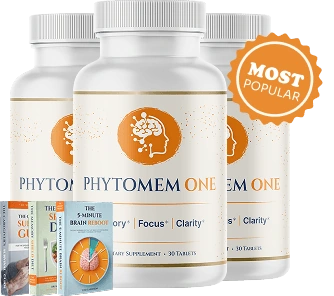
Try Phytomem One risk-free for 60 days →
Phytomem One is a dietary supplement, not a treatment for any medical condition. These statements have not been evaluated by the Food and Drug Administration. This product is not intended to diagnose, treat, cure or prevent any disease. Always consult a qualified healthcare professional about your individual needs.
References & further reading
- National Center for Complementary and Integrative Health (NCCIH). Seaweed and Algae — general information. nccih.nih.gov/health/herbsataglance
- PubMed / U.S. National Library of Medicine. Fucoxanthin — research literature. pubmed.ncbi.nlm.nih.gov
- PubMed / U.S. National Library of Medicine. Fucoidan — research literature. pubmed.ncbi.nlm.nih.gov
- National Institutes of Health, Office of Dietary Supplements. Iodine — Fact Sheet for Consumers. ods.od.nih.gov/factsheets/Iodine-Consumer
- Examine.com. Fucoxanthin — evidence-based summary. examine.com/supplements/fucoxanthin
These references describe the ingredients and dietary patterns in general terms and do not constitute evidence that any product treats, cures or prevents any condition.
Keep reading: how saffron and berberine work · the best foods for brain health and memory · back to the Phytomem One blog · the full Phytomem One review.