Ceylon cinnamon for brain health: the true-cinnamon story behind Phytomem One
Updated August 2026. We are an independent information resource, not a medical provider; this article is educational, not medical advice.
Ceylon cinnamon for brain health is the idea that true cinnamon — the delicate bark of Cinnamomum verum — can support the steady metabolic fuel your brain needs, which is exactly why Phytomem One chooses it over the cheaper, coumarin-heavy cassia found in most supermarkets. It is a supporting spice in a broader routine, not a cure, and the honest evidence sits in metabolic wellness rather than in dramatic memory claims.
Is Ceylon cinnamon worth it for a sharper mind — and why does Phytomem One use it?
- What it is
- Ceylon cinnamon is “true” cinnamon, Cinnamomum verum, a pale and delicate bark distinct from common cassia.
- The brain angle
- Its studied role is metabolic wellness, and the brain runs on steady blood sugar — so the link to clarity is indirect but sensible.
- Why true, not cassia
- Ceylon cinnamon carries only trace coumarin, making it the gentler pick for a supplement taken every day.
- Honest evidence
- Strong for culinary tradition and metabolic research; weak for direct memory claims — it supports habits, it does not replace them.
Walk down any spice aisle and the jars labelled “cinnamon” are almost all cassia, a cheaper relative of the real thing. True Ceylon cinnamon is a different plant with a different chemistry, which is why it turns up in a carefully built formula like Phytomem One rather than the version in your kitchen. This guide explains what Ceylon cinnamon is, how it earns a place in a brain-support routine, and where the evidence is strong versus still thin.
What is Ceylon cinnamon, and why does it matter for the brain?
Ceylon cinnamon is the dried inner bark of Cinnamomum verum, a tree native to Sri Lanka, and it is the spice history knew simply as cinnamon before cheaper substitutes took over. It matters for brain-focused nutrition for one reason: the brain is energy-hungry and depends on a steady supply of glucose, and Ceylon cinnamon has been studied mostly for its role in general metabolic wellness. The connection to clear thinking is therefore indirect — support the body’s handling of everyday fuel, and you help create the stable conditions in which attention and memory do their best work. That is a modest, honest claim.
True cinnamon vs cassia: what is the difference?
True cinnamon and cassia are not the same spice: true cinnamon is Cinnamomum verum, the pale, papery Ceylon bark, while cassia is a group of darker, cheaper cinnamons that fill most supermarket jars. The distinction is not fussy label-reading — it changes both flavour and, more importantly, the compound profile you take in day after day.
How can you tell them apart?
Ceylon quills are light tan, thin and brittle, made of many soft layers rolled like a cigar; cassia is reddish-brown, thick and tough, usually a single hard curl. Ceylon tastes mild, sweet and citrus-bright, while cassia is bold and slightly bitter. On a label, look for “Ceylon,” “true cinnamon” or Cinnamomum verum; if it just says “cinnamon,” assume cassia.
Why does the coumarin difference matter?
The single most important reason a daily supplement should use Ceylon is coumarin, a natural compound that cassia contains in high amounts and Ceylon only in traces. Coumarin is fine in an occasional dash on toast, but health agencies note that consistently high daily intake — the kind a supplement delivers — is worth keeping low. Choosing true cinnamon keeps the warm, useful parts of the spice while keeping coumarin minimal.
| Feature | Ceylon (true cinnamon) | Cassia (common cinnamon) |
|---|---|---|
| Botanical name | Cinnamomum verum | Cinnamomum cassia and relatives |
| Appearance | Pale tan, thin, many soft layers | Reddish-brown, thick, hard single curl |
| Flavour | Mild, sweet, citrus-bright | Bold, spicy, slightly bitter |
| Coumarin content | Only trace amounts | Naturally high |
| Best for daily use | Yes — the gentler choice | Better kept occasional |
How does Ceylon cinnamon support metabolic wellness?
Ceylon cinnamon’s best-studied role is in general metabolic wellness — how the body handles the sugars and energy it takes in. Cinnamon is rich in polyphenols, the plant antioxidants that draw much of the research interest, and traditional use centres on its warming role after meals. Precision matters here: this is an area of ongoing study, trial results are mixed, and cinnamon is not a medicine for blood sugar or any condition. What can be said fairly is that it is a well-regarded culinary botanical whose metabolic story is why formulators pair it with berberine and saffron.

Why does the brain care about steady fuel?
The brain cares about steady fuel because it is one of the most energy-demanding organs, using a large share of your daily glucose even at rest. When energy arrives in sharp spikes and crashes, most people know the aftermath — the mid-afternoon fog, the heavy eyelids, the sentence that will not finish. A calmer, steadier supply of fuel is a better backdrop for attention and recall. This is the logic linking a metabolic-support spice like Ceylon cinnamon to the words “brain health”: not a memory pill, but part of the conditions in which a clear mind is easier to sustain.
What does the research actually say about cinnamon and memory?
The honest research picture is that cinnamon has not been shown to reliably sharpen memory or focus on its own in healthy adults, and most human evidence lives in the metabolic space rather than direct cognition. Some early laboratory work has explored cinnamon compounds and brain pathways, but it is preliminary and does not translate into a promise for people. Anyone calling cinnamon a proven memory booster is getting ahead of the science. The responsible summary: strong tradition, genuine metabolic interest, a plausible indirect link through steady fuel, and thin direct evidence — which is why it belongs as a supporting player, never the headline.
See the exact dose in Phytomem One
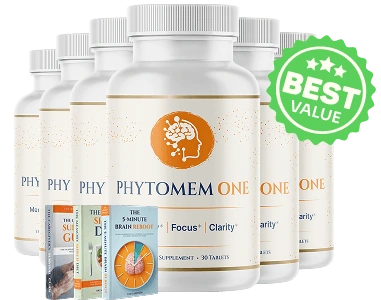
Phytomem One is a once-daily tablet pairing true Ceylon cinnamon with saffron, Morosil red orange and berberine in a 10-in-1 blend. The six-bottle bundle is the best value at $49 per bottle, with free U.S. shipping and a 60-day guarantee.
Check today’s Phytomem pricing — from $49/bottleHow does Phytomem One use Ceylon cinnamon?
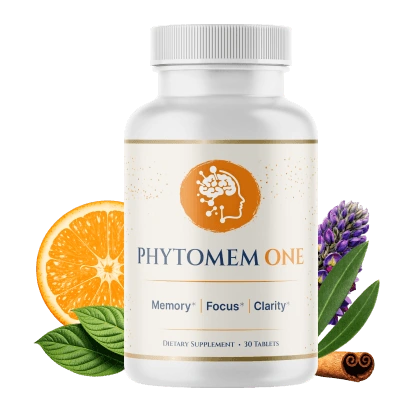
Phytomem One uses true Ceylon cinnamon as one supporting botanical inside a broader once-daily formula, not a stand-alone cinnamon pill. The spice contributes its metabolic-wellness role and gentle coumarin profile, while the heavier lifting comes from saffron and Morosil Sicilian red orange, with berberine, olive leaf, brown-seaweed extracts, banaba and kudzu rounding out the ten ingredients — one tablet a day instead of a shelf of jars. See how the pieces fit in the full ingredients section, or read our guide to improving memory and focus naturally.

How much Ceylon cinnamon is safe to take?
For most healthy adults, culinary amounts of Ceylon cinnamon are generally well tolerated, and its trace coumarin content is what makes it a safer daily choice than cassia. Common sense still applies: more is not better, a supplement should be taken at its labelled dose, and cinnamon is a supporting spice, not a therapy. The table below sets out who can usually enjoy it freely and who should pause for a clinician’s input first.
| Situation | General guidance |
|---|---|
| Healthy adult, culinary or labelled amounts | Generally well tolerated; choose Ceylon over cassia for daily use |
| Taking blood-sugar medication | Ask your doctor first — monitor and avoid unintended overlap |
| Pregnant or nursing | Keep to food amounts and check with your clinician before supplementing |
| Liver condition | Discuss any cinnamon supplement with your doctor, coumarin included |
| On multiple medications | Review the full label with a pharmacist or physician |
Botanicals build support gradually, so many people choose a multi-month supply to stay consistent — compare the packages and pricing on the homepage.
Who should talk to a doctor first?
Ceylon cinnamon is a food-grade spice for supporting an already-healthy routine, not a treatment, and some people should check with a clinician first. Speak with your doctor if you are pregnant or nursing, under 18, take medication for blood sugar or another condition, have a diagnosed liver or metabolic condition, or notice persistent symptoms. A short conversation ensures anything you add fits safely alongside your existing care.
Frequently asked questions
Is Ceylon cinnamon good for brain health?
Ceylon cinnamon is a warm culinary spice studied mainly for general metabolic wellness, and because the brain runs on steady blood sugar, that metabolic role is why it appears in brain-support formulas. The direct evidence that cinnamon sharpens memory in healthy people is still limited, so it is best seen as a supporting ingredient rather than a treatment.
What is the difference between true cinnamon and cassia?
True cinnamon is Cinnamomum verum, the pale, delicate Ceylon bark, while cassia is a group of cheaper, darker cinnamons that dominate supermarket shelves. The most important practical difference is coumarin: cassia is naturally high in coumarin, whereas Ceylon cinnamon contains only trace amounts, which makes it the gentler choice for daily use.
How much Ceylon cinnamon does Phytomem One contain?
Ceylon cinnamon is one of the botanicals in the Phytomem One 10-in-1 daily tablet, used at a supporting culinary-style level alongside saffron, Morosil red orange and berberine. For the exact amount, check the supplement facts panel and ingredients section on the product pages, because label figures are the only reliable source.
Can cinnamon improve memory and focus?
Cinnamon has not been shown to reliably improve memory or focus on its own in healthy adults, and any benefit is likely indirect, through steadier metabolic fuel for the brain. It works best as one small part of a routine built on sleep, movement, a whole-food diet and mental challenge.
Is Ceylon cinnamon safe to take daily?
For most healthy adults, culinary amounts of Ceylon cinnamon are generally well tolerated, and its very low coumarin content makes it a safer daily choice than cassia. If you are pregnant or nursing, take medication for blood sugar, or have a liver condition, talk to your doctor before adding a cinnamon supplement.
Does Phytomem One use Ceylon or cassia cinnamon?
Phytomem One uses true Ceylon cinnamon, Cinnamomum verum, rather than the cheaper cassia. That choice reflects Ceylon cinnamon's cleaner coumarin profile and its long culinary tradition, which suit a supplement designed to be taken every day.
See the exact dose in Phytomem One — risk-free for 60 days →
Phytomem One is a dietary supplement, not a treatment for any medical condition. These statements have not been evaluated by the Food and Drug Administration. This product is not intended to diagnose, treat, cure or prevent any disease. Always consult a qualified healthcare professional about your individual needs.
References & further reading
- National Center for Complementary and Integrative Health (NCCIH). Cinnamon. nccih.nih.gov/health/cinnamon
- Examine.com. Cinnamon — evidence-based summary. examine.com/supplements/cinnamon
- PubMed / U.S. National Library of Medicine. Cinnamomum verum and coumarin — research literature. pubmed.ncbi.nlm.nih.gov
- National Institutes of Health, Office of Dietary Supplements. Dietary supplements — consumer information. ods.od.nih.gov/factsheets
- Mayo Clinic. Cinnamon and general wellness — consumer guidance. mayoclinic.org
These references describe the ingredient and habits in general terms and do not constitute evidence that any product treats, cures or prevents any condition.
Keep reading: how saffron and berberine work · improve memory and focus naturally · the best foods for brain health · read the Phytomem One review · back to the blog.