Natural vs synthetic nootropics: the Phytomem One take for 2026

Updated September 2026 · reviewed by the Phytomem Research Team. We are an independent information resource, not a medical provider, and this article is educational rather than medical advice.
Natural vs synthetic nootropics is the choice between plant-based ingredients that gently support everyday memory and focus, and lab-made compounds engineered for a stronger, more targeted push. Botanical nootropics such as saffron and Ceylon cinnamon trade peak intensity for a gentler, food-adjacent profile that suits daily life, while synthetic smart drugs act faster and harder but carry more unknowns. This guide compares the two camps honestly and shows where a plant-based formula like Phytomem One sits.
Natural vs synthetic nootropics, decided in one box.
- The core split
- Natural nootropics are botanicals and nutrients; synthetic nootropics are lab-made compounds like racetams and prescription smart drugs.
- Speed vs suitability
- Synthetics tend to hit faster and harder; botanicals work gradually and are built for gentle, everyday support.
- Side-effect profile
- Well-studied plant ingredients are generally well tolerated; many synthetics have thinner long-term safety data.
- Where Phytomem One sits
- Firmly in the plant-based camp: a once-daily botanical tablet with no racetams or synthetic stimulants.
Search “nootropics” and you land in two very different worlds: one of lab-synthesised molecules promising a mental overclock, the other full of spices and plant extracts your grandparents would recognise. Choosing between them is less about which is objectively “stronger” and more about what you want from a cognitive routine. Below we lay out both sides fairly, flag where the evidence is thin, and explain why a botanical formula like Phytomem One takes the plant-based road.
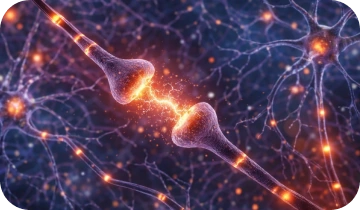
What are nootropics, and what does “natural vs synthetic” really mean?
A nootropic is any substance used with the intention of supporting cognitive functions such as memory, attention or mental clarity. The term covers everything from a cup of coffee to prescription medication, which is why the “natural vs synthetic” split is so useful. Natural nootropics are botanicals, foods and nutrients — saffron, Ceylon cinnamon, berberine, olive leaf, omega-3s — used to gently support a healthy mind. Synthetic nootropics are lab-made compounds, including the racetam family and prescription “smart drugs,” designed for a stronger, more targeted effect. The line is not about good versus bad; it is about origin, intensity and daily fit.
Why does the natural vs synthetic nootropics debate matter?
The debate matters because the two approaches answer different questions, and picking the wrong one leads to disappointment. If you want a single high-stakes cramming session, a fast-acting compound may feel more dramatic. If you want quiet, sustainable support for the everyday memory and focus that carry you through work and hobbies, a gentler botanical routine fits better. Most people asking about nootropics are in the second group — not chasing a peak, but holding a steady, clear baseline as the years add up.
How do botanical nootropics compare with synthetic smart drugs?
Botanical nootropics and synthetic smart drugs differ across almost every dimension that matters day to day: how fast they act, how well their safety is understood, and whether they suit daily use. The table below sets the two camps side by side so the trade-offs are easy to see at a glance.
| Dimension | Natural / botanical nootropics | Synthetic nootropics & smart drugs |
|---|---|---|
| Origin | Plants, spices and whole-food extracts | Lab-synthesised molecules and pharmaceuticals |
| Onset | Gradual, over weeks of consistent use | Often fast and noticeable within hours |
| Intended role | Daily support for an already-healthy mind | Targeted, sometimes clinical, effect |
| Long-term safety data | Long culinary and traditional history; growing research | Often thin, especially for newer compounds |
| Typical availability | Over-the-counter dietary supplements | Prescription, grey-market or research chemicals |
| Best suited to | People wanting gentle, sustainable everyday support | Specific short-term or medically supervised goals |
What does the evidence actually say?
The honest headline is that both sides have gaps, and confident marketing usually outruns the data. Here is where each camp genuinely stands.
How strong is the evidence for botanical nootropics?
Botanical nootropics rest on a mix of long traditional use and a growing, though still uneven, body of modern research. Saffron is among the more studied botanicals in the mood-and-cognition space, and berberine and Ceylon cinnamon are widely researched for the metabolic wellness that helps fuel the brain. That said, study sizes vary, and most findings describe general support rather than proof that any plant treats a disease. The strength of the botanical case is its safety record and its fit with a whole-food lifestyle — not a promise of overnight change.
How strong is the evidence for synthetic smart drugs?
Synthetic nootropics are a mixed bag. Prescription stimulants are well characterised for their approved medical uses but are not designed as casual enhancers for healthy people. Popular over-the-counter racetams often have surprisingly little rigorous human data on long-term use, and their supply chain can be unregulated. The intensity many users report is real, but so is the uncertainty about what daily, unsupervised use does over years. Where evidence is weak, we say so — and for most synthetic smart drugs used off-label, it is weak.
See the exact dose in Phytomem One →
Which has fewer side effects for daily use?
For everyday, unsupervised use, well-studied botanical nootropics generally carry a gentler side-effect profile than synthetic smart drugs. That is why many people asking about “smart drugs vs herbs” drift toward the plant-based option once daily suitability — not peak power — becomes the priority. The comparison below is a general guide, not medical advice, and any ingredient can affect individuals differently.
| Consideration | Plant-based cognitive support | Synthetic smart drugs |
|---|---|---|
| Common issues | Occasional mild digestive upset | Jitters, sleep disruption, mood swings, crashes |
| Tolerance / dependence | Low concern for typical botanicals | Possible with stimulants and some compounds |
| Interaction risk | Present; check with a doctor if on medication | Higher and less predictable |
| Suitability for daily use | Designed for it | Often not intended for casual daily use |
| Regulation | Sold as regulated dietary supplements | Varies from prescription to unregulated |
None of this makes botanicals a treatment for anything, nor every synthetic compound dangerous. It simply reflects why gentle daily support and lab-made intensity answer different needs. For a deeper look at two of the best-known plant ingredients, see our guide to saffron and berberine for brain health.
Where does Phytomem One sit in the natural vs synthetic divide?
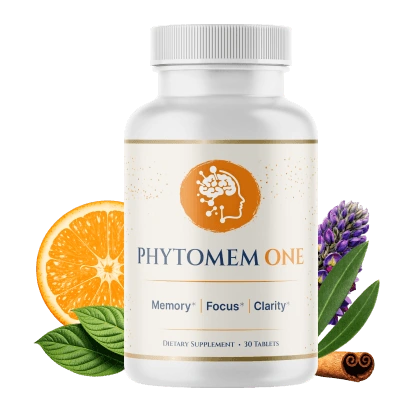
Phytomem One sits firmly in the plant-based, botanical camp of the nootropic map. It is a once-daily tablet built around saffron and Morosil Sicilian red orange, paired with berberine, Ceylon cinnamon, olive leaf, brown-seaweed extracts, banaba and kudzu — a 10-in-1 blend of studied botanicals with no racetams and no synthetic stimulants. The design intent is exactly the “gentle daily support” role described above: something you take with water each morning and let work quietly over weeks, not a compound you feel slam into your system within the hour. If your goal is sustainable, food-adjacent support for everyday memory and focus, it lands on the natural side by design.

Prefer the plant-based route?
Phytomem One is a once-daily botanical tablet pairing saffron and Morosil red orange with a 10-in-1 blend — no racetams, no synthetic stimulants. The six-bottle bundle is the best value at $49 per bottle, with free U.S. shipping and a 60-day guarantee.
Check today’s Phytomem One pricing — from $49/bottleHow do you build a plant-based cognitive support routine?
A plant-based cognitive routine is a stack of small, sustainable habits with a single botanical supplement layered on top, not a pile of exotic compounds. Because botanical nootropics work gradually, the routine matters more than any one ingredient:
- Anchor your sleep with a consistent wake-up time — no supplement replaces it.
- Move most days, even a brisk 20-minute walk, to lift blood flow to the brain.
- Eat colourful whole foods — greens, berries, nuts, olive oil, oily fish.
- Challenge your mind with something genuinely new for 15 minutes a day.
- Take one botanical supplement at the same time daily — for Phytomem One, one tablet with water.
For the fuller version of the lifestyle side, read how to improve memory and focus naturally, and browse the packages and pricing if you want a multi-month supply.
When should you talk to a doctor?
Nootropics of any kind, natural or synthetic, are not a substitute for medical care. Speak with your doctor before starting anything if you are pregnant or nursing, under 18, take any medication, or have a diagnosed condition — and seek care promptly for persistent or worsening problems such as sudden confusion or marked memory loss. This is doubly true if you are considering synthetic smart drugs or combining products, where interaction risk is higher and less predictable.
Frequently asked questions
What is the difference between natural and synthetic nootropics?
Natural nootropics are botanicals and nutrients — such as saffron, Ceylon cinnamon or berberine — used to gently support everyday memory and focus. Synthetic nootropics are lab-made compounds, including racetams and prescription smart drugs, engineered for a stronger, more targeted effect. The natural camp trades peak intensity for a gentler, food-adjacent profile suited to daily use.
Are botanical nootropics as effective as synthetic smart drugs?
For raw, short-term intensity, many synthetic compounds act faster and harder. Botanical nootropics work more gradually and are better framed as daily support for an already-healthy mind rather than a quick boost. Neither natural nor synthetic options are a treatment for any medical condition.
Is Phytomem One a natural or synthetic nootropic?
Phytomem One sits firmly in the natural, plant-based camp. It is a once-daily botanical tablet built on saffron, Morosil red orange, berberine, Ceylon cinnamon and olive leaf, with no racetams or synthetic stimulants. It is a dietary supplement, not a drug.
Do plant based nootropics have side effects?
Well-studied botanicals are generally well tolerated at culinary and supplemental amounts, though any ingredient can cause mild digestive upset or interact with medication. People who are pregnant, nursing, under 18 or taking prescriptions should speak with a doctor before starting any supplement.
Can you take natural and synthetic nootropics together?
Combining supplements with prescription smart drugs or other medication can create interactions, so it should only be done under a doctor’s guidance. Most people looking for gentle daily support choose a single, well-formulated botanical product rather than stacking multiple compounds.
How long do natural nootropics take to work?
Botanical nootropics build their support gradually, so most people give a routine several weeks to a few months rather than expecting a same-day jolt. Consistency matters more than dose size, and individual results vary.
Try the plant-based option — Phytomem One, risk-free for 60 days →
Phytomem One is a dietary supplement, not a treatment for any medical condition. These statements have not been evaluated by the Food and Drug Administration. This product is not intended to diagnose, treat, cure or prevent any disease. Always consult a qualified healthcare professional about your individual needs.
References & further reading
- National Center for Complementary and Integrative Health (NCCIH). Dietary Supplements for Cognitive Function. nccih.nih.gov/health/cognitive-function
- Examine.com. Saffron (Crocus sativus) — evidence-based summary. examine.com/supplements/saffron
- Examine.com. Berberine — evidence-based summary. examine.com/supplements/berberine
- PubMed / U.S. National Library of Medicine. Nootropics and cognitive enhancement — research literature. pubmed.ncbi.nlm.nih.gov
- Mayo Clinic. Memory loss: When to seek help. mayoclinic.org/memory-loss
These references describe the ingredients and habits in general terms and do not constitute evidence that any product treats, cures or prevents any condition.
Keep reading: how to improve memory and focus naturally · how saffron and berberine work · the Phytomem One review · back to the blog.